Understanding the Electric Vehicle Landscape
The automotive industry is undergoing a significant transformation as electric vehicles (EVs) and hybrid vehicles gain traction globally. In Indonesia, this trend is evident as both consumers and manufacturers pivot toward greener, more sustainable alternatives to traditional gasoline-powered cars. With initiatives supporting the shift to electrification, understanding the nuances between electric and hybrid vehicles is crucial. Resources such as experience-electrique.org provide comprehensive insights that can help consumers make informed decisions regarding their vehicle choices.
What is an Electric Vehicle?
An electric vehicle is defined as any vehicle that is powered entirely or partially by electricity. The term encompasses a wide range of vehicles, including battery electric vehicles (BEVs), which operate solely on electric power, and plug-in hybrid electric vehicles (PHEVs), which combine an internal combustion engine with an electric motor. Electric vehicles are designed to minimize the environmental impact of transportation by reducing greenhouse gas emissions, which is a growing concern given global climate change.
Types of Electric and Hybrid Vehicles
- Battery Electric Vehicles (BEVs): These run entirely on electric power stored in batteries and produce no tailpipe emissions.
- Plug-in Hybrid Electric Vehicles (PHEVs): These vehicles can run on electric power for a limited distance before switching over to gasoline.
- Hybrid Electric Vehicles (HEVs): Unlike PHEVs, HEVs do not need to be plugged in, as they utilize regenerative braking to charge their batteries.
Current Trends in the Automotive Industry
The shift towards electric vehicles is driven by several trends, including advancements in battery technology, government regulations promoting environmentally friendly vehicles, and an increasing consumer preference for sustainable options. Manufacturers are investing heavily in research and development to enhance battery efficiency and charging infrastructure, which is pivotal for broader EV adoption.
Key Benefits of Electric Vehicles
Environmental Impact of Using Electric Vehicles
Electric vehicles offer significant environmental benefits compared to traditional vehicles. With lower carbon emissions, they contribute to improved air quality in urban areas and help combat climate change by reducing reliance on fossil fuels. The use of renewable energy to charge EVs further amplifies these benefits, creating a cleaner transportation ecosystem.
Cost Savings Over Time: A Financial Perspective
While the initial purchase price of electric vehicles may be higher than their gasoline counterparts, the total cost of ownership can be significantly lower over time. Reduced fuel costs, lower maintenance expenses, and available government incentives contribute to long-term savings for EV owners.
Innovations Enhancing Electric Vehicle Experience
Continuous innovations in the EV sector are enhancing user experience. Features such as advanced driver-assistance systems, improved charging technology, and smartphone integration are increasingly common in electric and hybrid vehicles, making them more attractive to potential buyers.
Comparative Analysis: Electric vs. Hybrid Vehicles
Performance Metrics: Speed, Efficiency, and Range
When comparing electric and hybrid vehicles, performance metrics such as speed, efficiency, and range are critical. Generally, electric vehicles offer superior acceleration and efficiency due to their electric motors, while hybrids provide the flexibility of a gasoline engine that can be utilized for longer trips without the need for frequent charging.
Charging Infrastructure: Access and Availability
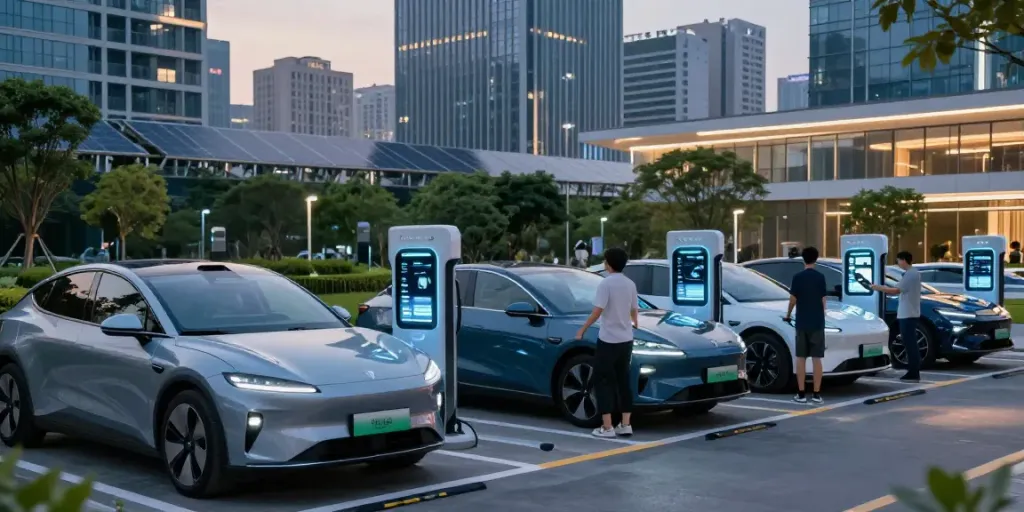
The availability of charging infrastructure is a pivotal factor that influences consumer choice between electric and hybrid vehicles. Urban areas are increasingly investing in fast-charging stations, making it easier for EV users to charge their vehicles. In contrast, hybrid vehicles benefit from the existing gasoline stations, providing added convenience for consumers.
Maintenance and Long-Term Costs
Electric vehicles often require less maintenance due to fewer moving parts and the absence of oil changes. Their regenerative braking systems contribute to lower wear on brake components. In contrast, hybrid vehicles, while still more efficient than traditional cars, may incur higher maintenance costs due to their complex systems combining both electric and gasoline technologies.
Resources and Tools Available on experience-electrique.org
Comprehensive Guides and Reviews of Electric Vehicles
Consumers can find valuable resources on platforms like experience-electrique.org, which offers in-depth reviews of various electric and hybrid vehicles. These guides are instrumental in helping potential buyers understand the options available and the unique features of different models.
Interactive Comparison Tools for Consumers
Interactive tools that compare different models based on specifications, features, and user reviews are invaluable for consumers navigating their EV journey. Such tools enable side-by-side comparisons, making it simpler to identify the best vehicle matching individual needs and preferences.
Expert Opinions and Industry Insights
Insights from industry experts can provide context to the rapid changes occurring in the EV landscape. Understanding market trends and technological advancements is crucial for consumers contemplating purchasing decisions.
Future of Electric Vehicles in Indonesia (2026 and Beyond)
Predictions for Electric Vehicle Adoption Rates
As the Indonesian government intensifies its efforts to promote electric mobility, the adoption rates of electric vehicles are expected to rise significantly by 2026. Government incentives, coupled with increased awareness of environmental concerns, will likely drive this trend.
Government Policies and Incentives Impacting Growth
Incentives such as tax breaks, subsidies for EV purchases, and investments in charging infrastructure will play a critical role in the growth of electric vehicle adoption in Indonesia. Understanding these policies can help consumers make better-informed decisions when considering an electric vehicle.
Emerging Technologies to Watch for the Future
Technological advancements, including improvements in battery technology, autonomous driving features, and enhanced connectivity, are expected to revolutionize the electric vehicle landscape. These innovations will make electric vehicles more appealing and accessible to the general public.
Frequently Asked Questions
What are the main types of electric vehicles?
Main types include Battery Electric Vehicles (BEVs), Plug-in Hybrid Electric Vehicles (PHEVs), and Hybrid Electric Vehicles (HEVs), each offering different capabilities and benefits.
How can I save money with an electric car?
Electric cars lower fuel and maintenance costs, and many regions offer tax incentives that further reduce the overall cost to owners.
What charging options are available for electric vehicles?
Charging options include home charging stations, public fast chargers, and solar-powered charging setups, varying based on the vehicle's specific requirements.
How does experience-electrique.org compare to other automotive sites?
Experience-electrique.org stands out with its focus on electric and hybrid vehicles, providing specialized insights and resources tailored to users interested in these types of vehicles.
What are the most important features to look for in an electric vehicle?
Key features include battery range, charging speed, safety ratings, and technology integrations such as navigation and driver-assistance systems, which enhance the overall driving experience.