Understanding Neuro Spine Care: An Overview
As the demand for specialized spinal care continues to grow, a well-structured approach to neuro spine care becomes essential for effective treatment and recovery. The field of neuro spine care encompasses various conditions affecting the spine and nervous system, presenting a unique set of challenges and treatment opportunities. Understanding the intricacies of neuro spine care can significantly impact patient outcomes and quality of life. When exploring options, the Neuro Spine Care Center provides comprehensive insights on available treatments and best practices in the field.
What is Neuro Spine Care?
Neuro spine care refers to the specialized management of disorders affecting the spine, which may involve the spinal cord, discs, nerves, and surrounding structures. This area of medicine combines principles from neurology and orthopedics to deliver comprehensive care for conditions such as herniated discs, spinal stenosis, and degenerative disc disease. The primary objective is to alleviate pain, restore function, and improve overall well-being through both surgical and non-surgical methodologies.
Key Conditions Treated at Neuro Spine Care Centers
Neuro spine care centers address a range of conditions that can severely impact a patient's quality of life. Some of the most common conditions include:
- Herniated Discs: This occurs when the inner gel of the disc protrudes through the outer layer, often leading to nerve compression and significant pain.
- Spinal Stenosis: A condition characterized by narrowing of the spinal canal, resulting in pressure on the spinal cord and nerves.
- Degenerative Disc Disease: A general term for the wear and tear of spinal discs that can lead to chronic pain and decreased mobility.
- Sciatica: Pain that radiates along the sciatic nerve, which runs down one or both legs, often caused by herniation or spinal stenosis.
- Spinal Tumors: Abnormal growths within or around the spine that may require surgical intervention.
Importance of Specialized Care in Spine Health
The complexity of spine-related issues necessitates specialized care from professionals trained in neuromuscular and orthopedic treatment modalities. Specialized neuro spine care can lead to more accurate diagnoses, tailored treatment plans, and improved surgical outcomes. By focusing on the neurological components of spine health, patients can benefit from a multi-disciplinary approach that addresses all aspects of their condition, ultimately enhancing recovery rates and reducing the risk of complications.
Common Challenges in Neuro Spine Treatments
Despite the advancements in neuro spine care, several challenges persist that can hinder effective treatment. Understanding these challenges allows healthcare providers to better prepare and address patient needs throughout their treatment journey.
Identifying Misconceptions about Spine Surgery
Many patients harbor misconceptions about spine surgery, viewing it as a last resort due to fears of severe complications or lengthy recovery times. Educating patients on the latest minimally invasive surgical techniques and their efficacy can help demystify the process, making surgical intervention a viable option when necessary.
Addressing Patient Anxiety and Concerns
Anxiety surrounding spinal treatments can significantly hinder patient cooperation and engagement. Care centers must prioritize effective communication to address concerns, using clear and compassionate dialogue to explain procedures, risks, and expected outcomes. Creating a supportive environment fosters trust and encourages patients to actively participate in their care decisions.
Overcoming Rehabilitation Barriers for Effective Recovery
Rehabilitation is a critical component of recovery following spinal treatment, yet many patients face barriers such as lack of motivation, limited access to rehabilitation resources, or financial constraints. Customized rehabilitation programs that account for these challenges can enhance outcomes and promote sustained physical activity post-treatment.
Best Practices for Neuro Spine Care Centers
Implementing best practices within neuro spine care centers enhances patient experiences and treatment outcomes. A systematic approach focusing on patient-centered care, technological advancements, and a welcoming atmosphere can significantly impact overall care quality.
Implementing Patient-Centered Care Strategies
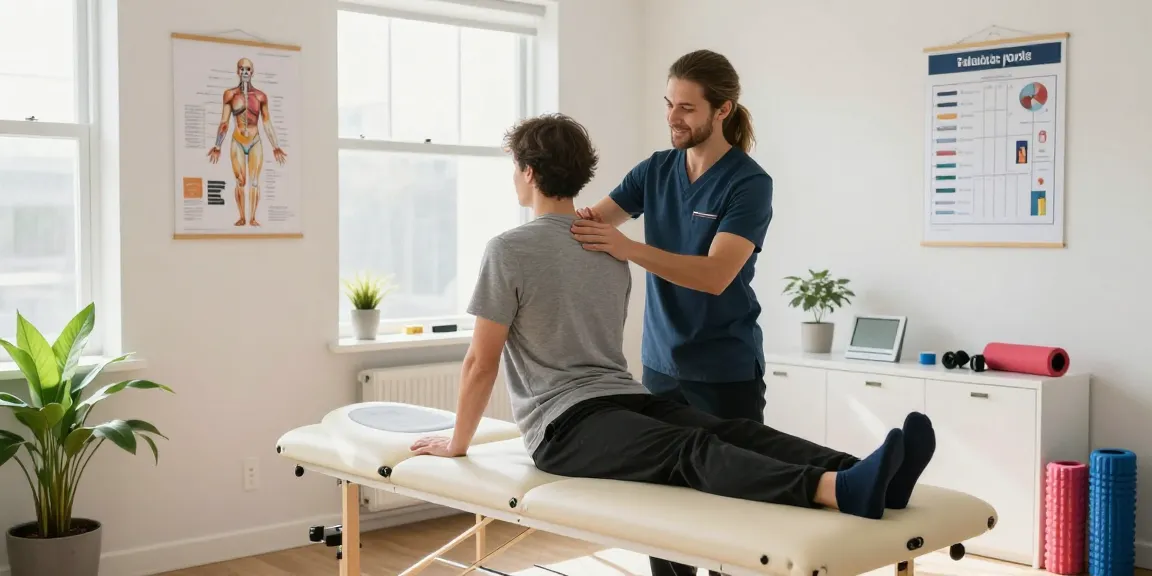
Patient-centered care emphasizes the individual needs and preferences of patients throughout the treatment process. Neuro spine care centers should adopt practices that involve patients in their care plans, ensuring they are well-informed and comfortable with the chosen interventions.
Leveraging Technology for Enhanced Diagnostics
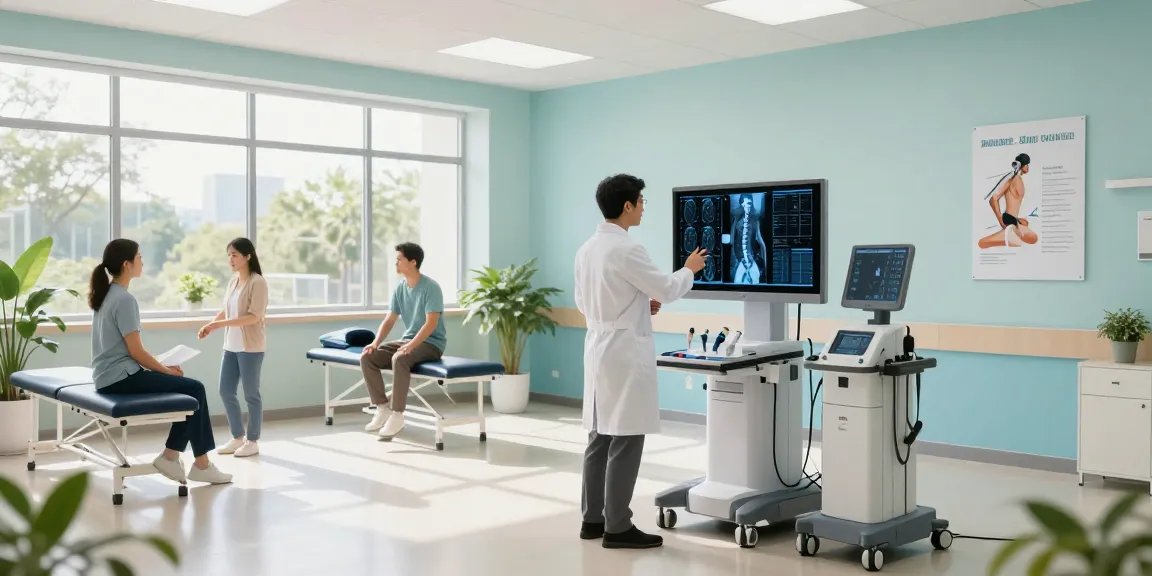
Advancements in imaging technologies, such as MRI and CT scans, enable precise diagnoses and treatment planning. Incorporating state-of-the-art diagnostic tools ensures that neuro spine care providers can effectively monitor conditions and make informed decisions regarding patient care.
Creating an Inviting Clinical Environment
A welcoming clinical environment plays a crucial role in patient satisfaction. By fostering an atmosphere that prioritizes comfort and accessibility, neuro spine care centers can reduce patient anxiety and improve overall experience. This includes everything from the aesthetics of waiting areas to the kindness of staff interactions.
Future Trends in Neuro Spine Care for 2026
The field of neuro spine care is poised for significant evolution over the next few years. Emerging trends aim to enhance patient care, improve surgical outcomes, and streamline treatment processes.
Emerging Technologies in Spine Health
Innovations such as robotic-assisted surgery and artificial intelligence are on the horizon, offering improved precision in surgical interventions and post-operative monitoring. These technologies promise to refine procedures and enhance recovery metrics.
Predictive Analytics for Personalized Treatment Plans
As data analytics capabilities grow, neuro spine care will increasingly rely on predictive analytics to customize treatment plans. These data-driven strategies will allow practitioners to anticipate patient needs and tailor interventions to improve individualized outcomes.
Integrating Telehealth into Spine Care Services
The incorporation of telehealth services presents a valuable tool for neuro spine care, allowing remote consultations and follow-up appointments. This can facilitate greater access to care, especially for patients in underserved areas, thereby enhancing continuity of care.
Patient Engagement Strategies for Neuro Spine Care
Effective patient engagement strategies are essential for ensuring that patients actively participate in their care, leading to better outcomes and satisfaction. Understanding how to foster these relationships can significantly improve treatment success.
Effective Communication Techniques with Patients
Utilizing clear and empathetic communication is vital in establishing rapport with patients. Clinicians should employ active listening techniques, validate patient concerns, and provide comprehensive explanations of treatment options to enhance understanding and cooperation.
Incorporating Feedback for Continuous Improvement
Feedback from patients provides valuable insights into their experiences and perceptions of care. Neuro spine care centers should actively solicit and implement feedback to refine their practices continually, addressing any identified gaps in service delivery.
Fostering Community Awareness and Education
Community outreach initiatives raise awareness about spine health and available resources. Educational workshops, informational sessions, and support groups can foster a supportive community, promoting better health outcomes and encouraging proactive management of spinal conditions.
What are the main treatments offered at a Neuro Spine Care Center?
Neuro spine care centers provide a variety of treatments tailored to individual patient needs, including:
- Non-surgical options, such as physical therapy, medication management, and steroid injections.
- Minimally invasive surgical procedures, including endoscopic discectomy and spinal fusion.
- Comprehensive rehabilitation programs designed to assist with recovery and restore function.
How can I prepare for my visit to a Neuro Spine Care Center?
Preparation for a visit to a neuro spine care center is essential for maximizing the effectiveness of the consultation. Patients should:
- Gather all relevant medical records and imaging results.
- Prepare a list of symptoms, duration, and any previous treatments.
- Write down any questions or concerns to discuss with the healthcare provider.
What technologies are used in modern Neuro Spine Care?
Modern neuro spine care utilizes a plethora of advanced technologies, including:
- High-resolution imaging techniques like MRI and CT scans for accurate diagnosis.
- Robotic-assisted surgical instruments for precision in complex surgeries.
- Telehealth platforms for remote consultations and follow-up care.
What role does rehabilitation play in spine recovery?
Rehabilitation is a crucial component of spine recovery, focusing on:
- Restoring strength and mobility through physical therapy.
- Teaching pain management techniques to cope with recovery.
- Preventing future injuries through education and lifestyle modifications.
What should I expect during my first appointment?
During the first appointment at a neuro spine care center, patients can expect:
- A thorough medical history review and physical examination.
- Discussion of symptoms and potential diagnosis.
- Recommendations for diagnostic imaging or treatment options.