Understanding the Basics of Online Trading
Online trading has revolutionized the way individuals engage with the financial markets. It offers unprecedented access to buy and sell various financial instruments, from stocks and commodities to currencies and cryptocurrencies, all from the comfort of your home or on-the-go via mobile applications. As we approach 2026, grasping these fundamentals is essential for anyone looking to navigate this dynamic landscape effectively. One valuable resource for traders is https://sc88.chat/, which provides insights and tools to enhance your trading experience.
What is Online Trading?
Online trading refers to the process of buying and selling financial assets over the internet. This form of trading has grown significantly due to technological advancements and the increasing popularity of retail trading. Traders utilize online platforms to execute trades and manage their investment portfolios, making it easier to participate in global markets.
Key Terminology and Concepts
Before diving into the world of online trading, it's crucial to familiarize yourself with key terms and concepts that will guide your trading journey:
- Broker: A person or firm that facilitates the buying and selling of securities for clients.
- Leverage: The use of borrowed funds to increase potential returns, which also increases risk.
- Spread: The difference between the buying and selling prices of a financial instrument.
- Margin: The minimum amount of capital required to open a trading position.
- Order Types: Instructions to buy or sell an asset, including market orders, limit orders, and stop-loss orders.
Getting Started with Trading Platforms
Choosing the right trading platform is critical for your success as it affects how you execute trades and manage your portfolio. Look for platforms that offer user-friendly interfaces, comprehensive tools for market analysis, and reliable customer support. In addition, it’s important to consider the fees charged for trading, as these can eat into your profits over time.
Strategies for Effective Trading
Effective trading strategies are the cornerstone of success in the financial markets. By employing different strategies, traders can maximize their potential for profit while minimizing risks. Below, we discuss various approaches that can enhance your trading success.
Technical Analysis Techniques
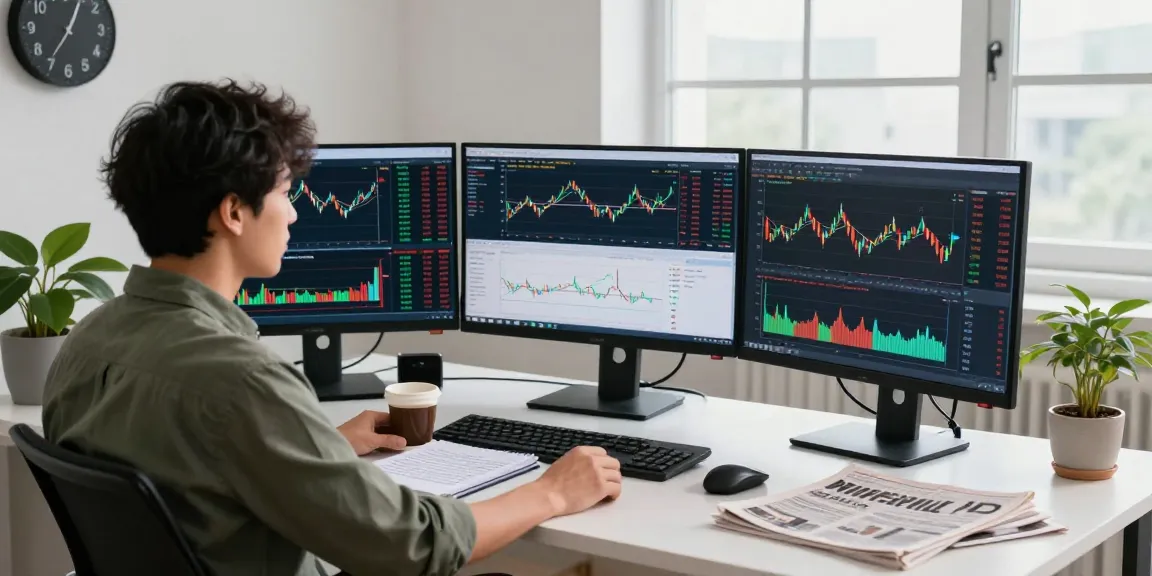
Technical analysis relies on historical price data and trading volumes to forecast future price movements. Tools used in technical analysis include:
- Charts: Visual representations of price movements over time, such as line charts, bar charts, and candlestick charts.
- Indicators: Mathematical calculations based on price and volume that help identify trends and potential reversals.
- Support and Resistance Levels: Price points where stocks tend to find buying or selling pressure.
Fundamental Analysis Best Practices
Fundamental analysis involves evaluating a company's intrinsic value by examining related economic and financial factors. Key elements include:
- Economic Indicators: Metrics such as GDP growth, unemployment rates, and inflation that reflect the health of an economy.
- Company Financials: Analysis of financial statements (income statement, balance sheet, and cash flow statement) to assess a company's performance.
- Market Sentiment: Understanding the general attitude of investors toward a particular security or financial market.
Creating a Trading Plan that Works
A well-defined trading plan is vital for success. Your plan should outline your goals, risk tolerance, preferred trading strategies, and the processes you will follow for executing trades. Consider including the following elements:
- Define Your Goals: Establish clear and measurable objectives, such as desired returns and acceptable risk levels.
- Risk Management: Determine how much capital you are willing to risk on each trade and set stop-loss orders accordingly.
- Review and Adapt: Regularly assess your performance against your plan and make adjustments as needed.
Common Pitfalls in Trading
Being aware of common pitfalls can save traders from significant losses. Identifying and understanding these mistakes can help you develop better trading habits and strategies.
Mistakes New Traders Make
New traders often fall into traps that can undermine their trading success. Common mistakes include:
- Overtrading: Executing too many trades in a short period can lead to higher transaction costs and emotional fatigue.
- Lack of a Plan: Trading without a well-defined strategy can lead to impulsive decisions and unnecessary risks.
- Ignoring Risk Management: Failing to set stop-loss orders can dramatically increase potential losses.
How to Manage Risks Effectively
Effective risk management is essential for long-term trading success. Here are some strategies to manage risk:
- Diversification: Spread your investments across different assets to mitigate risk.
- Position Sizing: Determine the appropriate amount of capital to allocate to each trade based on your total investment portfolio.
- Use of Stop-Loss Orders: Always set stop-loss orders to limit potential losses on a trade.
Understanding Market Psychology
Market psychology plays a significant role in trading decisions. Understanding the emotional factors affecting market participants can provide insights into price movements. Key psychological concepts include:
- Fear and Greed: These emotions can drive market volatility, often leading to irrational decision-making.
- Herd Behavior: Many traders tend to follow market trends rather than make independent decisions, which can exacerbate price swings.
- Overconfidence: Believing too strongly in your own abilities can lead to poor risk management and trading decisions.
Advanced Trading Techniques
For traders looking to elevate their game, advanced techniques offer greater potential for profit, but they also come with increased risks. Here are some approaches that experienced traders often employ.
Leveraging Algorithms and Automation
Algorithmic trading involves using computer programs to execute trades based on predetermined criteria. This method has several advantages:
- Speed: Algorithms can execute trades in milliseconds, taking advantage of market inefficiencies.
- Emotion-Free Trading: Automated systems remove human emotion from trading decisions, which can lead to more consistent performance.
- Backtesting: Traders can test strategies against historical data to refine their approaches before deploying them in live trading.
Exploring Options and Futures
Options and futures contracts provide traders with opportunities to speculate on price movements with limited capital. Here’s an overview of these derivatives:
- Options: These give traders the right, but not the obligation, to buy or sell an asset at a predetermined price before a specified expiration date.
- Futures: These are agreements to buy or sell an asset at a future date for a price agreed upon today.
- Risk Management: Both instruments can be used to hedge existing positions, providing a layer of protection against adverse price movements.
Using Indicators for Better Decisions
Technical indicators can provide valuable insights into market conditions. Some widely used indicators include:
- Moving Averages: Used to smooth price data and identify trends over specific periods.
- Relative Strength Index (RSI): Measures the speed and change of price movements to identify overbought or oversold conditions.
- Bollinger Bands: These define price volatility and potential price levels that might see a reversal.
Future Trends in Online Trading
The trading landscape is evolving rapidly, influenced by technological advancements and shifts in market behavior. Staying ahead of these trends is essential for traders aiming to maintain a competitive edge.
Emerging Technologies in the Trading Space
Technologies are reshaping the online trading environment. Key emerging technologies include:
- Artificial Intelligence (AI): AI algorithms analyze vast amounts of data to identify trading opportunities and predict price movements.
- Blockchain: This technology is enhancing transparency and security in financial transactions, making it particularly valuable in crypto trading.
- Mobile Trading: As mobile technology improves, more traders are using apps to manage their portfolios and execute trades on the go.
Predictions for Market Changes in 2026
Market predictions can help traders prepare for potential shifts. Here are some trends expected to influence the trading environment in 2026:
- Increased Regulation: Governments may impose stricter regulations on online trading platforms to protect retail traders.
- Greater Accessibility: More individuals will gain access to trading platforms, potentially increasing market liquidity.
- Growth of Sustainable Investing: There will likely be a rise in demand for investments in sustainable and socially responsible companies.
How to Prepare for the Future of Trading
To thrive in the constantly evolving trading landscape, consider the following strategies:
- Continuous Learning: Stay informed about market trends, new technologies, and evolving regulations through ongoing education.
- Networking: Join trading communities or online forums to share insights and experiences with other traders.
- Adaptability: Be willing to adjust your strategies and tools based on market changes and technological innovations.
What are the best platforms for beginners?
Beginners should look for trading platforms that offer educational resources, a user-friendly interface, and strong customer support. Popular options include brokerage firms that provide demo accounts for practice trading without financial risk.
How can I minimize risks in trading?
Minimizing risks involves implementing sound risk management strategies, such as setting stop-loss orders, diversifying your portfolio, and only risking a small percentage of your capital on each trade.
What are the signs of a successful trade?
Successful trades typically demonstrate a clear plan, adherence to risk management rules, and the ability to adapt to changing market conditions. Look for established trends, confirmations from technical indicators, and alignment with fundamental analysis.
How to stay updated on market trends?
Traders should regularly read financial news, follow market analysts on social media, and utilize trading platforms that provide real-time market data and analytical tools to stay informed about trends and events that could impact the markets.
What are common strategies used by professional traders?
Professional traders often use a combination of strategies, including scalping (short-term trading), swing trading (holding positions over days or weeks), and trend following to capitalize on market movements based on their analysis and research.. Additionally, sc88 com provides further details.