Understanding the Importance of Industrial Emergency Showers
In any industrial setting, safety is paramount, especially when it comes to environments that handle hazardous materials. An industrielle Notdusche serves as a critical piece of equipment designed to provide immediate decontamination in emergencies, protecting employees from severe injuries due to chemical exposure. This article delves into the essential aspects of industrial emergency showers, addressing their significance, features, maintenance, and compliance with regulatory standards.
What is an industrielle Notdusche?
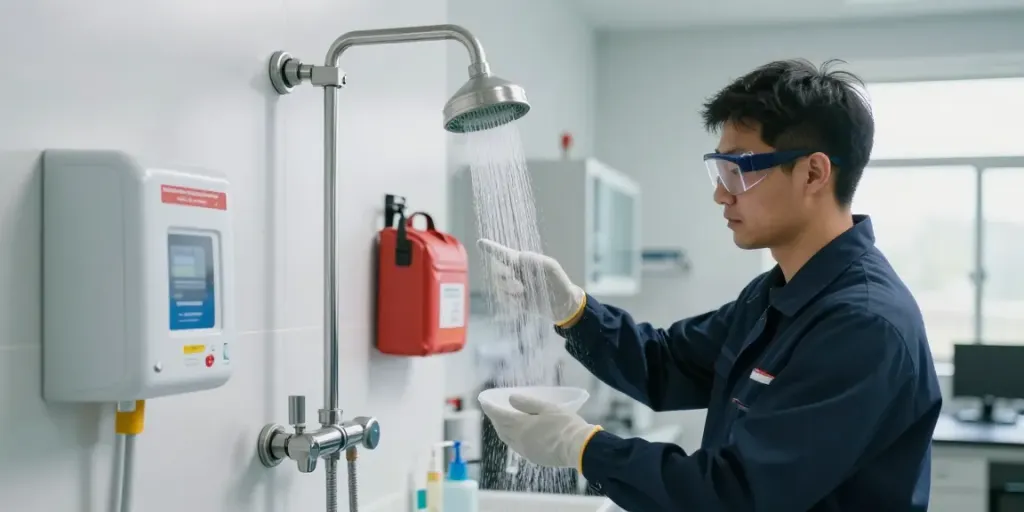
An industrielle Notdusche, or industrial emergency shower, is a specialized fixture designed to rapidly cleanse contaminants from the body in case of chemical spills or exposure. These showers are equipped with a wide spray head that discharges a large volume of water, enabling effective washdown of hazardous materials. They are typically installed in strategic locations, ensuring quick access during emergencies.
Why Are They Critical in Industrial Workplaces?
The presence of a reliable emergency shower can mean the difference between minor injuries and severe harm in the event of a chemical accident. Industrial workplaces are often high-risk areas, with exposure to toxic substances being a real threat. Emergency showers reduce the risk of chemical burns and other injuries by providing immediate access to decontamination. Moreover, prompt action can prevent long-term health issues related to chemical exposure.
Regulations and Compliance Standards
Compliance with safety regulations is a necessity in ensuring workplace safety. Standards such as those set forth by ANSI (American National Standards Institute) and EN (European Norm) provide guidelines on the proper installation, maintenance, and functionality of emergency showers. Adhering to these regulations is not just about meeting legal requirements; it's also about safeguarding employee well-being and minimizing liability risks.
Features to Look for When Choosing an Emergency Shower
Material Quality and Durability
When selecting an industrial emergency shower, the material is one of the most significant factors. Look for showers made of corrosion-resistant materials, such as stainless steel or high-grade plastic. These materials ensure durability and longevity, especially in environments that expose the equipment to harsh chemicals.
Water Flow Rate and Temperature Control
Emergency showers need to deliver water at an adequate flow rate to be effective. A flow rate of at least 20 gallons per minute is generally recommended, as this allows for rapid cleansing. Additionally, temperature control is crucial; water needs to be tepid to minimize shock and ensure comfort during emergencies. Showers equipped with heating or cooling systems may be necessary in extreme climates.
Customization Options Available
Different industries have unique safety needs, and as such, many companies offer customizable emergency shower solutions. This can include options for additional features like sound alarms, lighting, and even heated water systems for colder environments. Assess your specific requirements and inquire about personalized solutions to enhance safety.
Maintenance and Compliance: Keeping Your Equipment Safe
Importance of Regular Inspections
Regular inspections of emergency showers are essential to ensure they function correctly when needed. Maintenance checks can help identify any issues with water flow, temperature, and overall operational capacity. Establishing a routine inspection schedule—at least annually, or more frequently in high-use environments—can help maintain compliance with safety standards.
Common Maintenance Practices
- Inspect and test the water flow and drainage mechanisms regularly.
- Check for any blockages at the spray head.
- Verify that signage is clear and visible.
- Perform routine cleaning to remove any buildup around the shower area.
- Ensure accessibility by keeping the area free from obstructions.
Understanding EN and ANSI Standards
Familiarizing yourself with EN and ANSI standards is crucial for ensuring compliance with safety regulations. These standards detail requirements for emergency showers, including design specifications, installation guidelines, and performance measures. To maintain a safe working environment, ensure your emergency showers meet these established standards through proper documentation and periodic evaluation.
Real-World Applications: Success Stories
Case Study: Chemical Manufacturing Plant
A chemical manufacturing plant implemented a series of emergency showers as part of its safety protocols. Following installation, a minor chemical spill occurred. The rapid response facilitated by the newly installed industrielle Notdusche led to immediate decontamination, preventing what could have been a serious injury. This incident highlighted the value of having operational emergency showers readily available.
Case Study: Research Laboratory
In a research lab dealing with aggressive chemicals, an emergency shower was crucial during an unexpected spill. The lab's commitment to safety was reinforced when researchers utilized the shower effectively, demonstrating the importance of preparedness and immediate access to safety equipment. This enhanced confidence among employees and solidified the lab’s safety culture.
Benefits Experienced by Users
- Increased safety awareness among employees.
- Confidence in handling hazardous materials.
- Reduced risk of long-term health issues.
- Improved compliance with safety regulations.
Future Trends in Industrial Safety Equipment
Innovations in Emergency Shower Technology
As industries evolve, so do safety technologies. Future emergency showers are expected to incorporate advanced features such as automated testing systems, integrated monitoring for real-time checks, and IoT connectivity for enhanced maintenance tracking. These innovations will further streamline compliance efforts and ensure equipment readiness.
Predictions for 2026 and Beyond
By 2026, the focus on workplace safety will intensify, driven by stricter regulations and increased awareness around employee health. This trend will likely lead to more sophisticated emergency shower systems that provide detailed user data and operational monitoring, ensuring optimal safety conditions at all times.
How Safety Needs Are Evolving in the Industry
As the workplace landscape changes, so do the safety needs of employees. Industries are trending towards more comprehensive safety solutions, integrating emergency preparedness into overall safety strategies. This evolution requires continuous education and training, alongside the provision of effective emergency equipment, such as industrial emergency showers.
Frequently Asked Questions (FAQs)
What are the delivery times for industrial emergency showers?
Delivery times can vary based on the product specifications and stock availability. Typically, standard orders are processed within a few days, while customized solutions may take longer. It is best to contact your supplier directly for accurate lead times.
Can I customize my emergency shower for specific needs?
Yes, many suppliers offer customization options to meet specific safety needs. This may include features like adjustable water flow, integrated alarms, or even tailored design to fit specific installation requirements.
What countries does HANSEHANDEL deliver to?
HANSEHANDEL offers reliable delivery to Germany, Denmark, Norway, Sweden, and Finland, with additional options available for countries like Austria and Switzerland upon request.
What certifications should I look for in an emergency shower?
Look for products that meet ANSI and EN certifications to ensure compliance with safety standards. These certifications indicate that the emergency shower meets the necessary performance, design, and operational criteria established for safety equipment.
How can I request a customized quote?
To request a customized quote, reach out directly to your supplier or manufacturer. Be prepared to provide details about your specific needs, including any customization requirements and installation considerations.