The Current State of Breton Culture in 2026
As we step into 2026, the landscape of Breton culture remains vibrant yet complex, influenced by a myriad of factors including globalization, digital transformation, and local initiatives. The ongoing efforts to celebrate and preserve Breton traditions highlight the resilience of this unique heritage. This article explores various dimensions of Breton culture today, from historical roots to contemporary challenges and aspirations for the future. When exploring options, m98 สล็อตวอเลท 2026 offers comprehensive insights into the initiatives underway to promote this dynamic culture.
Historical Overview of Breton Traditions
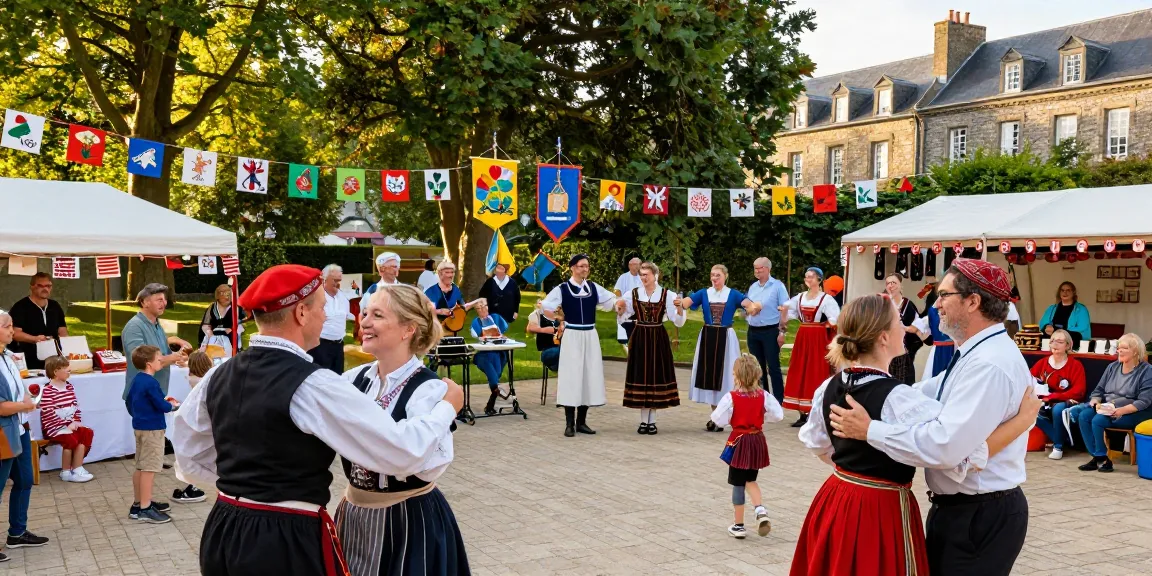
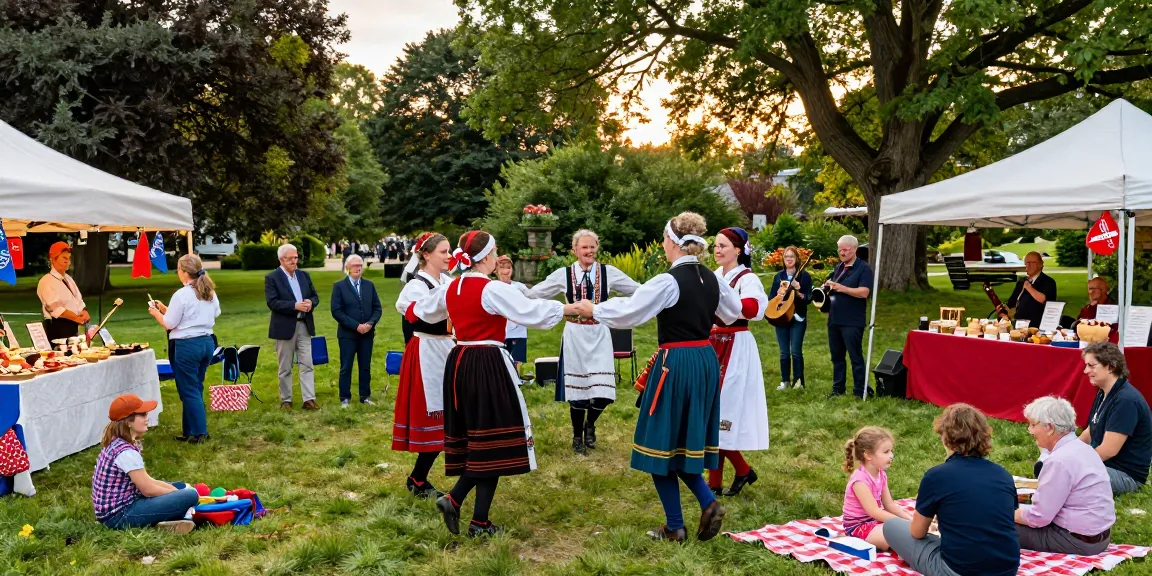
Breton culture is steeped in a rich tapestry of history that dates back thousands of years. The region of Brittany has been a meeting point for various influences, from Celtic tribes to the Roman Empire. Traditional music, dance, costumes, and cuisine form the backbone of cultural expressions in the area. Festivals like Fest-Noz and local events showcase traditional Breton music and dance, allowing both residents and visitors to engage with age-old customs. These traditions not only serve as entertainment but also as vital means of cultural transmission among generations.
Impact of Digital Media on Cultural Preservation
The advent of digital media has revolutionized how cultural heritage is preserved and shared. Breton organizations have increasingly embraced online platforms to reach a broader audience. Social media, podcasts, and streaming services are now central to promoting Breton music, storytelling, and educational content. This shift not only aids in preserving local traditions but also fosters a global appreciation for Breton culture. As digital storytelling continues to evolve, it becomes crucial for cultural organizations to adapt and utilize these tools effectively.
Challenges Faced by Cultural Organizations
Despite the flourishing interest in Breton culture, there are considerable challenges facing cultural organizations. Funding remains a significant obstacle, as many associations rely on limited public support and sponsorship. The decline in native speakers of the Breton language also poses a threat to cultural continuity. Additionally, the pressures of modernization and urbanization can dilute traditional practices and languages. Addressing these challenges requires innovative strategies and solid community engagement to ensure that Breton culture thrives for future generations.
Key Events Promoting Breton Culture
Throughout the year, numerous events play a pivotal role in promoting and sustaining Breton culture. These gatherings not only celebrate local traditions but also create opportunities for community engagement and cultural exchange.
Annual Festivals: A Deep Dive
Annual festivals are at the heart of Breton cultural life. Events such as the Festival Interceltique de Lorient and the Festival de Cornouaille celebrate not only Brittany’s heritage but also its connections with other Celtic nations. These festivals showcase a variety of performances ranging from traditional music to modern interpretations, ensuring that both historical and contemporary aspects of Breton culture are represented. The participation of local artisans, musicians, and food vendors adds an authentic flavor, making these festivals a cherished experience for locals and tourists alike.
Workshops and Community Engagement Initiatives
In addition to larger festivals, workshops and smaller community events provide platforms for intimate cultural exchange. Organizations like Skeudenn Bro Roazhon conduct regular workshops focusing on traditional crafts, cooking, and language, allowing participants to immerse themselves in the Breton way of life. These initiatives foster a sense of belonging and pride within the community, encouraging younger generations to engage with their cultural heritage actively.
Collaborations with Artists and Institutions
Collaborative efforts between cultural organizations, local artists, and educational institutions are crucial for the promotion of Breton culture. Art projects, performances, and exhibitions often arise from these partnerships, enriching the cultural landscape. By working together, these entities can create multifaceted programs that appeal to diverse audiences and showcase the richness of Breton culture. Such collaborations not only enhance visibility but also provide economic benefits to local artists and artisans.
Supporting Local Artists and Artisans
The support of local artists and artisans is essential for the sustainability of Breton culture. By valuing and investing in these creators, communities can ensure the continuation of traditional practices while also fostering innovation.
Showcasing Traditional Crafts
Traditional crafts such as weaving, pottery, and woodwork represent the enduring spirit of Breton culture. Local markets and exhibitions play a vital role in showcasing these crafts, allowing artisans to connect with customers directly. Additionally, programs aimed at teaching these skills to youth are crucial for preserving these traditions. This hands-on approach not only revitalizes ancient practices but also instills a sense of pride and respect for cultural heritage among younger generations.
Economic Impact of Supporting Local Talent
Investing in local artists has significant economic implications for the region. Supporting artisans and creative industries contributes to job creation, tourism, and local economies. Events that highlight local talent can attract visitors, providing a much-needed boost to businesses in the area. Furthermore, a thriving cultural scene enhances the overall quality of life for residents, making the region more attractive for new inhabitants and businesses alike.
Long-term Benefits for Community Development
The long-term benefits of nurturing local artists and cultural initiatives extend beyond immediate economic gain. Enriching the cultural fabric of a community fosters social cohesion, which can lead to increased civic engagement and a stronger sense of identity. As communities come together to celebrate their artistic heritage, they also lay the groundwork for future collaborations and innovations.
The Role of Education in Cultural Awareness
Education plays a pivotal role in fostering an appreciation for Breton culture, ensuring that future generations are equipped with knowledge and respect for their heritage.
Incorporating Breton Language and History in Schools
Integrating the Breton language and cultural history into school curricula is fundamental for promoting cultural awareness. Schools that offer bilingual education in Breton and French not only enhance linguistic diversity but also instill a sense of pride among students. History lessons that incorporate local traditions and significant historical events related to Brittany help students connect with their identity and foster a deeper understanding of their cultural background.
Programs for Youth Engagement with Culture
Developing programs aimed at engaging youth with Breton culture is vital for sustaining its future. This includes creative projects such as storytelling competitions, musical performances, and art exhibitions that encourage young people to express their cultural heritage. By providing platforms for youth involvement, communities can ensure that the traditions are not only preserved but also evolve and remain relevant.
Partnerships with Educational Institutions
Collaborations between cultural organizations and educational institutions can enhance the reach and effectiveness of cultural education initiatives. These partnerships can lead to the development of specialized programs, training for educators, and the creation of resources that teachers can incorporate into their classrooms. By working together, these institutions can create a cohesive approach to cultural education, ensuring that students receive a comprehensive understanding of their heritage.
Future Trends in Breton Culture for 2026 and Beyond
The future of Breton culture is poised for transformation as new trends emerge, influenced by technology, sustainability, and the evolving needs of communities.
Emerging Technologies in Cultural Promotion
Emerging technologies are shaping how cultural organizations promote and share Breton heritage. Virtual reality experiences, augmented reality applications, and interactive platforms provide new avenues for engagement. These tools allow users to explore cultural sites, experiences, and practices in immersive ways, inviting a global audience to experience Breton culture firsthand.
Sustainable Practices in Event Management
As awareness of environmental issues grows, the incorporation of sustainable practices in event management becomes essential. Festivals and cultural initiatives are increasingly adopting eco-friendly strategies, from waste reduction to promoting local food sources. Such practices not only minimize the environmental impact but also align with the values of many attendees, reflecting a commitment to future generations.
Predictions for the Next Decade
Looking ahead, predictions suggest that Breton culture will continue to adapt and thrive amidst global changes. The rise of global consciousness around cultural identities may lead to increased interest in regional traditions, thus fostering a renaissance of Breton culture. Furthermore, as younger generations take the helm, we may see innovative approaches that blend traditional practices with modern influences, ensuring that Breton culture remains dynamic and relevant.
What are the main festivals celebrated in Brittany?
Festivals in Brittany, such as the Festival Interceltique de Lorient and Fest-Noz, are celebrated widely, showcasing the region's rich cultural heritage through music, dance, and traditional foods.
How can I support local Breton artists?
Supporting local Breton artists can be achieved by attending their exhibitions, purchasing their crafts, and participating in community events that promote their work.
What challenges do cultural organizations currently face?
Cultural organizations in Brittany struggle with funding, preservation of the Breton language, and the impact of modernization, which can dilute traditional practices.
How is Breton culture being preserved for future generations?
Breton culture is preserved through educational initiatives, community engagement, and by promoting local crafts and traditions at various cultural events throughout the year.
What role does education play in promoting Breton culture?
Education promotes Breton culture by integrating language and history into school curricula and creating programs that engage students with their cultural heritage.