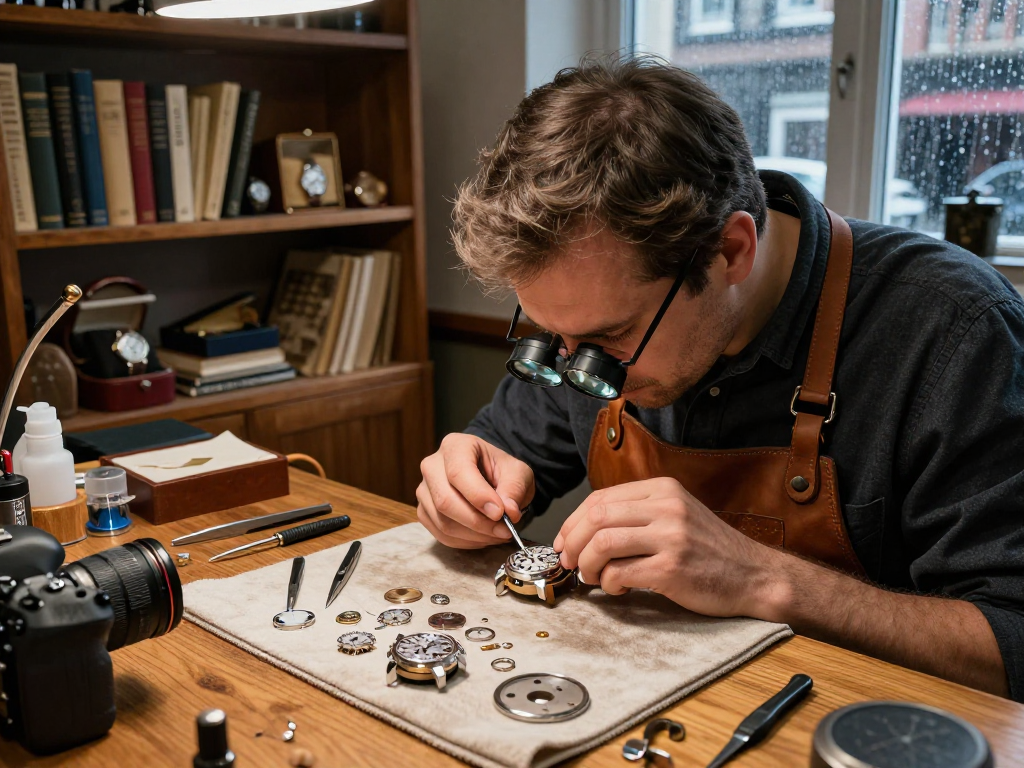
Introduction to Omega 8500 Movement Parts
The Omega 8500 movement has become a hallmark of precision and reliability in the world of horology. Since its debut, it has captivated watch enthusiasts and collectors alike, thanks to its innovative design and robust performance. Understanding the importance of Omega 8500 movement parts is essential for anyone looking to maintain or repair a watch powered by this remarkable movement. In this article, we will delve into the unique attributes of the Omega 8500, explore its key components, and offer insights into sourcing high-quality parts. Whether you are a seasoned technician or a watch aficionado, this guide aims to provide you with comprehensive knowledge about the Omega 8500 movement and its relationship to the craftsmanship of luxury timepieces.
What Makes Omega 8500 Unique?
The Omega 8500 movement, introduced in 2008, represents a significant advancement in the field of mechanical watchmaking. Boasting an automatic winding mechanism, this movement is characterized by its Co-Axial escapement, which reduces friction between components, enhances accuracy, and extends the service intervals of the watch. Additionally, the movement is equipped with a silicon balance spring, which is immune to magnetic fields, further improving precision and reliability. This combination of innovative technologies not only sets the Omega 8500 apart from its predecessors but has also established a new standard for luxury watchmaking.
Common Applications of Omega 8500 Parts
The Omega 8500 movement is used across a variety of models in the Omega Seamaster and Speedmaster lines. These watches are known for their durability and functionality, making them popular choices among divers, pilots, and general watch enthusiasts. Common applications of Omega 8500 parts include complete movement assemblies, escapements, balance wheels, and rotor components. Understanding these applications is crucial for anyone involved in the repair or maintenance of Omega watches.
Key Components of the Omega 8500 Movement
Overview of Essential Parts and Functions
To fully appreciate the performance of the Omega 8500 movement, it is essential to understand its key components. The movement is composed of approximately 220 parts, each working harmoniously to ensure accurate timekeeping. Some of the essential parts include:
- Co-Axial Escapement: This innovative component reduces friction and enhances accuracy.
- Balance Wheel: Responsible for regulating the timekeeping of the watch.
- Rotor: A semi-circular component that winds the mainspring as the wearer moves their wrist.
- Silicon Balance Spring: Offers resistance to magnetic fields, improving precision.
Each part plays a vital role in the functionality and longevity of the watch.
Importance of Quality in Movement Parts
Quality is paramount when it comes to movement parts. Using genuine Omega 8500 movement parts ensures that the watch operates at optimal levels. Counterfeit or substandard parts can lead to malfunctions, reduced accuracy, and even damage to the movement over time. Therefore, sourcing authentic components from reputable suppliers is essential for maintaining the integrity of the watch.
Performance Metrics to Consider
When evaluating the performance of the Omega 8500 movement parts, several metrics come into play, including:
- Accuracy: The movement should maintain a timekeeping standard of +5 to -3 seconds per day.
- Power Reserve: The movement boasts a power reserve of approximately 60 hours, allowing for extended periods without wear.
- Water Resistance: Many models with the Omega 8500 movement are designed to be water-resistant, making them suitable for various activities.
Challenges in Sourcing Omega 8500 Movement Parts
Identifying Authenticity and Quality Issues
Sourcing genuine Omega 8500 movement parts is fraught with challenges. A significant concern is the presence of counterfeit parts in the market. Fakes can often look identical to authentic components at first glance, but they typically lack the quality and performance of the genuine article. Ensuring that parts are sourced from reputable dealers or directly from Omega is essential to avoid these pitfalls.
Common Pitfalls When Buying Parts
Watch enthusiasts and technicians must be aware of common pitfalls when purchasing Omega 8500 parts. These include:
- Buying from Unverified Sources: Purchasing from unauthorized sellers increases the risk of counterfeit components.
- Ignoring Returns or Warranties: Sellers who do not offer returns or warranties may be hiding the quality of their parts.
- Overlooking Compatibility: Not all parts are interchangeable, so it is essential to confirm that the specific component is designed for the Omega 8500 movement.
How to Avoid Counterfeit Movements
To avoid counterfeit movements, always verify the provenance of parts. This can involve checking serial numbers, obtaining documentation, and consulting with watch repair professionals. Utilizing authorized service centers can also provide assurance that all components used are authentic Omega parts, thus maintaining the value and integrity of your timepiece.
Expert Insights on Maintenance and Repair
Best Practices for Maintaining Omega Movements
Proper maintenance of the Omega 8500 movement is crucial for longevity and performance. Best practices include:
- Regular servicing every 3 to 5 years.
- Avoiding exposure to extreme temperatures and magnetic fields.
- Keeping the watch clean and dry to prevent moisture damage.
Repair Techniques for Common Problems
Common issues with Omega 8500 movements can include loss of power reserve, inaccurate timekeeping, or rotor malfunction. Repair techniques may involve:
- Disassembling the movement to inspect and clean components.
- Replacing the balance wheel or escapement if damaged.
- Lubricating moving parts to reduce friction and enhance performance.
When to Seek Professional Help
While many watch enthusiasts may feel comfortable performing basic repairs, certain situations necessitate professional intervention. Seek expert help if:
- The watch shows inconsistent timekeeping despite adjustments.
- Water damage is suspected.
- The movement requires complex repairs beyond basic maintenance.
Future Trends in Watch Movements and Repairs
Emerging Technologies in Watchmaking for 2026
Looking ahead to 2026, the watchmaking industry is poised for several exciting advancements. Trends to watch include:
- Smartwatch Integration: Traditional timepieces are increasingly incorporating smart technology without compromising craftsmanship.
- 3D Printing: This technology is revolutionizing the manufacturing of watch components, allowing for bespoke and intricate designs.
- Advanced Materials: The advent of new materials such as graphene promises to enhance the durability and performance of watch movements.
Impact of Eco-Friendly Materials on Movement Parts
As sustainability becomes a priority, watchmakers are exploring eco-friendly materials for movement parts. This shift is likely to lead to a rise in the use of recycled metals and biodegradable components, appealing to environmentally conscious consumers. The future of watch movements will not only focus on performance but also on the ecological impact of the materials used.
Predicted Changes in Consumer Preferences
Consumer preferences are evolving, with an increasing demand for transparency in manufacturing processes and sourcing. Buyers are more inclined to choose brands that prioritize ethical practices, authenticity, and quality. As such, Omega and similar luxury brands must adapt to meet these changing expectations while continuing to deliver excellence in their timepieces.
What are the benefits of the Omega 8500 movement?
The Omega 8500 movement offers numerous benefits, including superior accuracy due to its Co-Axial escapement, a robust power reserve of up to 60 hours, and enhanced durability thanks to its silicon balance spring. These features make it an ideal choice for both daily wear and collector's items.
Where can I find genuine Omega 8500 movement parts?
Genuine Omega 8500 movement parts can be sourced from authorized Omega retailers, certified watch repair shops, or specialized online platforms that focus on luxury watch components. Always verify the authenticity of the parts to ensure quality.
How often should I service my Omega watch?
It is generally recommended to service your Omega watch every 3 to 5 years. Regular servicing helps maintain accuracy, extends the life of the movement, and ensures that all components are functioning correctly.
What tools do I need for Omega watch repair?
Basic tools needed for Omega watch repair include a case opener, screwdriver set, tweezers, and a watchmaker's loupe for detailed inspection. Advanced repairs may require specialized tools specific to the Omega 8500 movement.
Are there any compatibility issues with Omega 8500 parts?
Yes, compatibility issues can arise when using parts from different Omega models or movements. It is essential to confirm that the part is specifically designed for the Omega 8500 to ensure proper fit and functionality.