Understanding the Intersection of Technology and Gastronomy
In the dynamic world of gastronomy, technology plays an ever-increasing role in shaping how food is prepared, presented, and consumed. With rapid advancements in cooking techniques and kitchen gadgets, culinary professionals are continuously adapting to the latest innovations. One of the most informative sources for these developments is gourmeticat tech news, which provides insights into how technology is transforming the food industry.
What is Gourmeticat Tech News?
Gourmeticat tech news encompasses the latest trends, tools, and innovations in the culinary arts that leverage technology. This news platform covers a wide range of topics, from smart kitchen appliances to advanced cooking methods, ensuring that chefs, restaurateurs, and food enthusiasts have access to valuable information that can enhance their culinary practices.
The Evolution of Technology in Food Preparation
The evolution of food technology has been profound and multifaceted. Starting from traditional cooking methods, such as open flames and stone ovens, to modern techniques like sous-vide and induction cooking, technology has consistently expanded the possibilities of meal preparation. Kitchen appliances have shifted from merely functional tools to sophisticated devices equipped with smart technology that can optimize cooking processes, save time, and improve food quality.
Innovative Technologies Transforming the Culinary Landscape
Smart Appliances: Revolutionizing Kitchen Efficiency
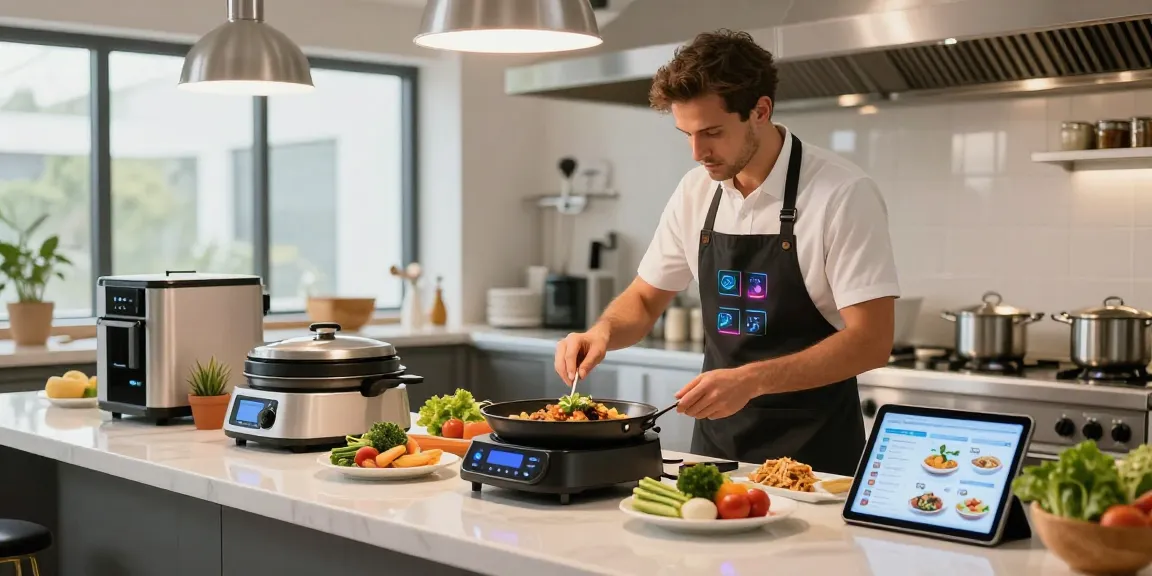
Smart appliances represent a significant advancement in kitchen technology, allowing chefs to streamline their workflow and increase efficiency. Devices such as smart ovens, refrigerators, and cooktops connect to the internet, enabling remote monitoring and control. For instance, smart ovens can be preheated from a smartphone, while fridges can notify users when they are low on ingredients.
AI and Machine Learning in Recipe Development
Artificial intelligence (AI) and machine learning are at the forefront of culinary innovation, aiding chefs in recipe development and menu design. By analyzing consumer preferences and dietary trends, AI can suggest new recipes or variations that cater to specific tastes. Additionally, machine learning algorithms can optimize ingredient combinations to enhance flavor profiles and nutritional value.
3D Food Printing: The Future of Custom Meals
3D food printing has emerged as a groundbreaking technology that allows chefs to create intricate and customized food designs. This innovative approach enables the production of personalized meals that can cater to individual dietary needs and aesthetic preferences. From pasta shapes to intricate desserts, 3D printing is set to revolutionize food presentation and personalization.
Challenges in Adopting Technology in Gastronomy
Common Misconceptions about Tech in Cooking
Despite the benefits, there are several misconceptions about the adoption of technology in cooking. Some believe that technology undermines traditional cooking skills, whereas it can actually enhance them. For example, while sous-vide cooking may seem simplistic, it requires a deep understanding of flavor profiles and cooking times to achieve the desired results.
Barriers to Entry for Traditional Chefs
For many traditional chefs, integrating technology into their kitchens can be daunting. The learning curve associated with new appliances and techniques can deter even the most seasoned professionals from embracing innovation. Additionally, the initial investment in smart technology may be seen as a financial burden, especially for smaller establishments.
Addressing Food Safety and Quality Concerns
Food safety is paramount in the culinary industry, and the introduction of new technology can raise concerns. Chefs and restaurateurs must ensure that innovative cooking methods do not compromise food quality or safety standards. Implementing proper training and quality control measures is essential to mitigate risks associated with new cooking technologies.
Best Practices for Implementing Technology in the Kitchen
Choosing the Right Tech Tools for Your Cooking Style
When selecting technology for a kitchen, it is crucial to consider the specific cooking style and needs of the establishment. Whether a restaurant specializes in gourmet cuisine or casual dining, the chosen technology should align with culinary goals and enhance efficiency without overwhelming the staff.
Training Staff on New Technologies
Effective training is key to successfully integrating new technology in the kitchen. Providing comprehensive training sessions and ongoing support for staff can help ease the transition to new tools, fostering a culture of innovation within the kitchen. This approach ensures that employees feel confident and capable when using advanced technologies.
Measuring Success and Efficiency Improvements
To ensure the successful implementation of technology, it's important to establish metrics for measuring success. Tracking efficiency improvements, such as time saved and reductions in food waste, can provide valuable insights into the impact of new tools. Regularly evaluating these metrics will allow culinary professionals to refine their practices and make data-driven decisions.
Future Trends in Gourmeticat Tech News
Predictions for Culinary Tech Innovations in 2026
As we look toward the future of the culinary arts, several trends are likely to shape the landscape of gastronomy technology. From advancements in artificial intelligence that will further personalize dining experiences to the integration of sustainability practices in food technology, the future looks promising for tech in the culinary world.
Upcoming Startups to Watch in Food Technology
As the food tech industry continues to grow, numerous startups are emerging with innovative solutions to enhance culinary practices. These new companies are likely to introduce technologies that improve flavor extraction, food waste reduction, and supply chain efficiencies, making waves in both consumer and professional kitchens.
How to Stay Ahead in the Tech-Driven Food Industry
To maintain a competitive edge in the tech-driven food industry, culinary professionals must stay informed about the latest innovations and adapt quickly to changes. Regularly attending food tech conferences, participating in workshops, and subscribing to industry news outlets can provide critical insights into emerging trends and technologies.
What are the latest technology trends in the food industry?
Emerging technologies such as blockchain for traceability, augmented reality for interactive menus, and advanced data analytics for customer behavior are reshaping the food industry. These trends will continue to evolve as technology becomes more sophisticated, providing more opportunities for culinary innovation.
How is AI used in culinary arts?
AI is used in culinary arts for various applications, including enhancing recipe creation, personalizing customer experiences, and optimizing supply chains. Chefs can harness AI-driven insights to refine their menu offerings and improve overall dining experiences.
What are the benefits of smart kitchen appliances?
Smart kitchen appliances offer numerous benefits, including increased efficiency, precise cooking, and better meal planning. These devices can help chefs save time and reduce errors, ultimately leading to higher-quality dishes and improved satisfaction for customers.
How can restaurants effectively adopt new technologies?
Restaurants can effectively adopt new technologies by starting small, focusing on tools that provide immediate benefits, and gradually scaling up their tech investments. Engaging staff throughout the process ensures buy-in and a smoother transition to a technology-enhanced kitchen environment.
What challenges do chefs face when integrating technology?
Chefs face several challenges when integrating technology, including the need for training, managing costs, and overcoming skepticism about technology's role in traditional cooking. To succeed, chefs must address these concerns with patience and a willingness to adapt.