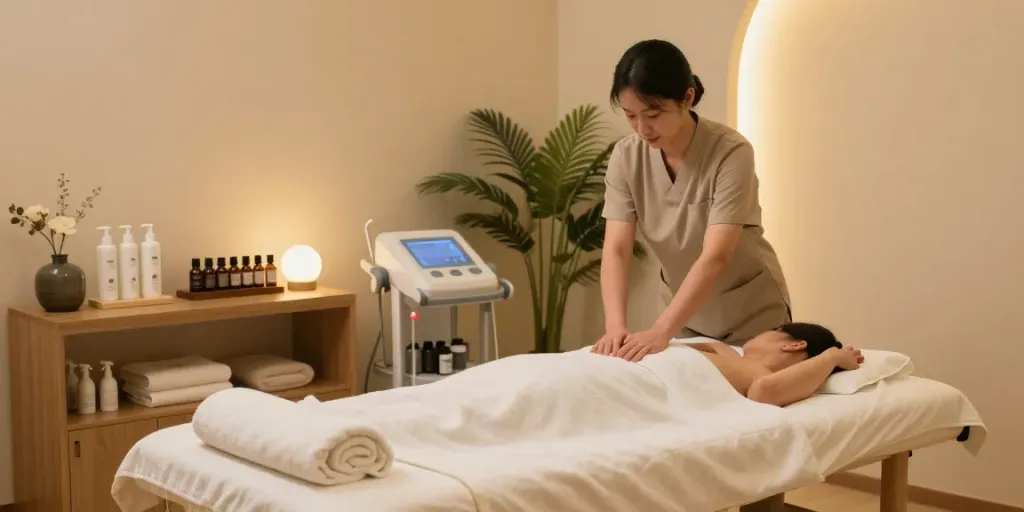
Understanding Remedial Massage: The Basics
Remedial massage is a specialized form of therapeutic massage aimed at treating muscle pain, discomfort, and injuries. It incorporates various techniques tailored to the individual’s unique needs, focusing on alleviating pain, restoring movement, and promoting overall well-being. When exploring options, remedial massage ashgrove provides comprehensive insights into effective treatments available in your area.
1. What is Remedial Massage?
Remedial massage is defined as a hands-on treatment that addresses specific musculoskeletal issues. Unlike relaxation massage, which primarily seeks to induce a state of relaxation, remedial massage targets specific problems and aims to restore the body's natural function. With techniques such as deep tissue manipulation, trigger point therapy, and myofascial release, this type of massage helps to reduce muscle tension, enhance circulation, and facilitate recovery from injury.
2. Key Techniques in Remedial Massage
- Deep Tissue Massage: Targets deeper layers of muscles and connective tissue to relieve chronic tension.
- Trigger Point Therapy: Focuses on sensitive areas in muscle tissue that cause pain in other body parts.
- Myofascial Release: Involves gentle sustained pressure to the fascia, allowing the connective tissues to relax.
- Sports Massage: Specifically structured for athletes, emphasizing prevention and treatment of injuries.
3. Benefits of Professional Therapy
Engaging in professional remedial massage offers numerous benefits:
- Pain Relief: Alleviates chronic pain conditions such as back pain, neck pain, and joint pain.
- Improved Mobility: Enhances flexibility and range of motion, aiding in overall physical performance.
- Stress Reduction: Reduces mental stress, creating a sense of relaxation and well-being.
- Enhanced Recovery: Speeds up recovery from injuries, enabling quicker return to daily activities.
Historical Perspective: Remedial Massage Through the Years
1. Traditional Techniques vs. Modern Practices
The practice of remedial massage is rooted in historical methods of pain treatment that date back thousands of years. Traditional techniques from cultures around the world, such as Swedish and Chinese massage, laid the groundwork for modern practices. Innovations in understanding musculoskeletal anatomy and physiology have transformed these age-old techniques into evidence-based therapy that aligns with contemporary medical practices.
2. Common Conditions Treated Historically
Historically, remedial massage has been used to treat a variety of conditions. Common ailments include:
- Muscle soreness from physical activity
- Chronic pain syndromes
- Stress-related tension
- Post-injury rehabilitation
3. Evolution of Massage Therapy Education
The educational framework for massage therapy has evolved significantly. Today, accredited programs provide rigorous training that encompasses anatomical studies, hands-on techniques, and clinical practice, ensuring that massage therapists are equipped with current knowledge and skills for effective treatment.
Technology's Impact on Remedial Massage
1. Innovative Tools and Equipment Used
Advancements in technology have also introduced new tools and equipment that enhance the therapeutic process. Devices such as electric massagers, foam rollers, and cupping tools have gained popularity, allowing therapists to provide targeted treatment effectively. Furthermore, continuous research into muscle recovery techniques incorporates cutting-edge inventions for improved patient outcomes.
2. Integration of AI and App-Based Solutions
Artificial intelligence (AI) is making waves in many fields, including healthcare. In massage therapy, AI-driven apps are being developed to help track patient progress, provide personalized treatment suggestions, and even facilitate remote consultations. These innovations enhance the client experience and improve outcomes through continuous care.
3. Virtual Consultations and Telehealth in Massage Therapy
The shift towards telehealth has transformed how clients access remedial massage. Virtual consultations allow therapists to assess conditions and provide guidance remotely, making care more accessible. This integration empowers clients to engage actively in their health management, ensuring they receive advice tailored to their unique needs.
Case Studies: Success Stories in Ashgrove
1. Chronic Pain Relief Testimonials
Numerous clients in Ashgrove have experienced significant pain relief through remedial massage. One notable case involved a long-time resident suffering from chronic lower back pain. Through a combination of targeted techniques and consistent treatment, the client reported a measurable reduction in discomfort, which improved their quality of life.
2. Sports Injury Rehabilitation Examples
Athletes from local teams have also benefitted from remedial massage therapy. For instance, a soccer player recovering from a knee injury utilized massage as a complement to physical therapy sessions. The targeted massage techniques helped to alleviate inflammation and expedite the healing process, allowing the athlete to return to play sooner.
3. Client Experiences with Tailored Treatment Plans
Custom treatment plans are critical to the success of remedial massage therapy. Clients in Ashgrove have shared positive feedback about their experiences with personalized programs. One individual highlighted how their therapist's attention to their unique conditions resulted in improved mobility and reduced tension.
Looking Forward: The Future Landscape of Remedial Massage
1. Predictions for Technology Integration
As technology continues to evolve, its integration with remedial massage practices is expected to deepen. Future advances may include sophisticated AI applications for personalized treatment regimens and sophisticated tracking systems that monitor patient progress in real time.
2. Trends in Wellness and Preventative Care
The trend toward wellness and preventative care is anticipated to grow, with more individuals seeking remedial massage as a proactive approach to health. This shift emphasizes the importance of addressing issues before they become chronic, underscoring the value of regular treatments.
3. Expanding Role of Myotherapy in Health
Myotherapy, a key component of remedial massage, is seeing increased recognition within the healthcare community. As more studies validate its benefits for pain management and rehabilitation, its role in treatment plans may expand, positioning it as a mainstream therapy for conditions related to muscle pain and dysfunction.
FAQs
1. What conditions can be treated with remedial massage?
Remedial massage is effective for a variety of conditions, including back pain, neck pain, headaches, sports injuries, and muscle tension. It can also aid in stress relief and improve circulation.
2. How often should one get a remedial massage?
The frequency of remedial massage can vary based on the individual's needs and goals. Generally, people with chronic conditions may benefit from weekly sessions, while those seeking maintenance might opt for monthly treatments.
3. Are health fund rebates available for massage therapy?
Many private health funds offer rebates for remedial massage therapy. It’s advisable to check with your health fund for specific coverage details and any requirements necessary to claim rebates.