Introduction to Shashel Technology
In the realm of pest management, innovation is crucial to addressing the persistent challenges posed by wood-boring insects like beetles and other pests. One remarkable innovation is the Shashel technology, which leverages microwave technology to disrupt and eliminate infestations rapidly and effectively. This article delves into the intricacies of Shashel, exploring how it works, its benefits, and why it’s becoming the go-to solution for many woodworkers and pest control professionals. When exploring options, Shashel provides comprehensive insights into advanced pest management solutions.
What is Shashel?
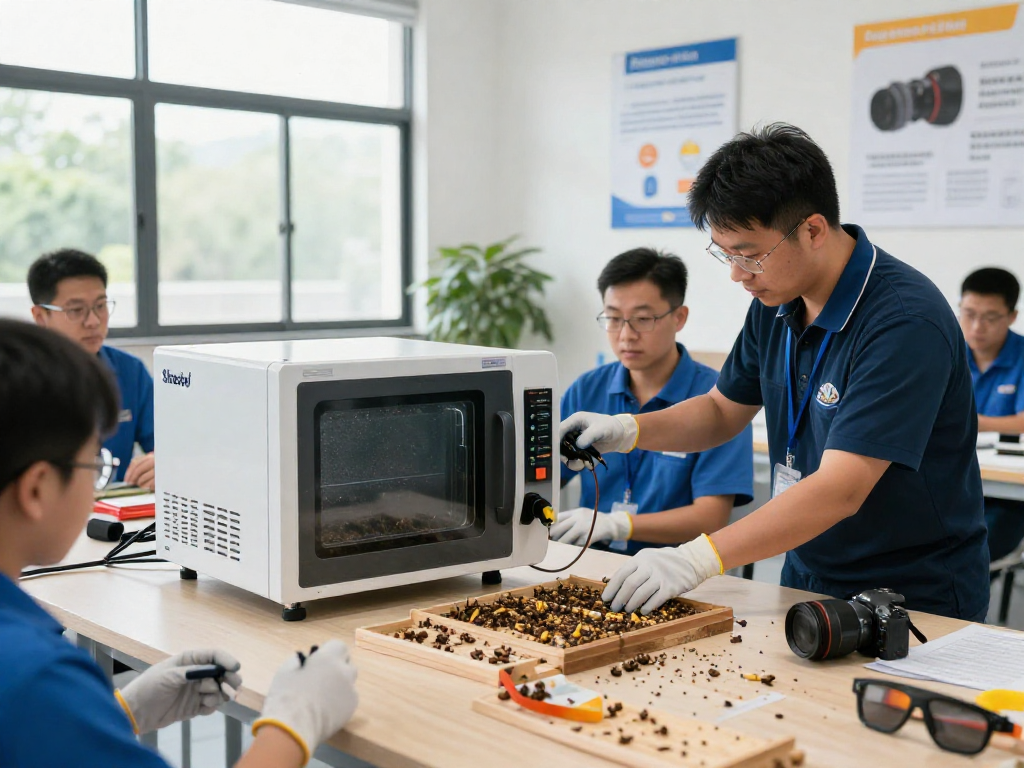
Shashel is an advanced pest control solution that utilizes microwave technology to target and eliminate pests residing in wood and other materials. This non-invasive method is particularly effective against wood-destroying insects, including the notorious woodworm and other larvae. By employing specific microwave frequencies, Shashel can penetrate the material, effectively raising the temperature to lethal levels for the pests while preserving the integrity of the material itself. This method not only ensures a thorough extermination but also minimizes collateral damage, making Shashel a revolutionary alternative to traditional pest control methods.
How Shashel Works in Pest Control
The technology behind Shashel focuses on the principle of dielectric heating, which involves the absorption of microwave radiation by water molecules within living organisms. When the equipment is activated, the microwaves generate heat that rapidly elevates the temperature of the pests to a point where they can no longer survive—often in just a few minutes. This efficient heating process is highly targeted, ensuring that only the pests within the treated materials are affected while leaving the structure and surrounding environment undisturbed.
Benefits of Using Microwave Technology
Implementing Shashel's microwave technology presents numerous advantages over conventional pest control methods. Firstly, it offers speed; the rapid extermination process reduces downtime for affected businesses. Additionally, it is eco-friendly, as it does not rely on toxic chemicals, which can pose risks to both human health and the environment. Moreover, Shashel technology is versatile, efficiently addressing infestations in various materials aside from wood, including textiles and other organic substances. The effectiveness against hidden pests within structures often overlooked by traditional methods further enhances its appeal.
Advantages of Shashel Pest Control Solutions
Rapid Elimination of Infestations
One of the standout features of Shashel technology is its rapid effectiveness in eliminating pest infestations. Conventional methods often require multiple treatments and prolonged periods to achieve the desired results, while Shashel ensures a thorough extermination process in a matter of minutes. This not only saves time but also minimizes the risk of further damage caused by prolonged infestations, allowing businesses or homeowners to restore normalcy quickly.
Eco-Friendly Approach to Pest Management
In an era where environmental consciousness is paramount, Shashel technology shines as a sustainable solution to pest control. Traditional pest management often involves the use of harsh chemicals that can leach into the environment, affecting both land and water systems. In contrast, Shashel's microwave approach eliminates the need for such chemicals, making it a safe choice for households with children and pets.
Cost-Effectiveness Compared to Alternatives
While the initial investment in Shashel equipment may be higher than traditional pest control solutions, the long-term savings associated with its use often outweigh these costs. The speed of treatment reduces labor costs, and the effectiveness of Shashel technology minimizes the likelihood of re-infestations, leading to lower maintenance expenses. Furthermore, the potential for saving valuable wooden structures from extensive damage may lead to significant cost savings over time.
Challenges and Limitations of Shashel Equipment
Initial Investment and Setup Costs
Despite its many advantages, one of the primary challenges associated with Shashel technology is the initial investment required to acquire the equipment. Organizations or individuals considering the switch to microwave-based pest management must evaluate their budget and weigh the long-term benefits against the upfront costs. Additionally, the setup and calibration of the equipment may require expert assistance for optimal results.
Training and Safety Considerations
Training is essential for effective utilization of Shashel equipment. Operators need to be well-versed in the specifics of microwave technology to ensure safe handling and effective treatment processes. Safety protocols must also be established to protect individuals and the environment during the treatment process, including appropriate safety gear and monitoring systems to prevent overexposure.
Effectiveness Against Specific Pests
While Shashel technology is highly effective against woodboring insects, its efficacy may vary based on the species of pests targeted. Some pests might be more resistant to microwave treatment than others, necessitating further research and development for optimal results against a wider range of infestations. Continuous advancements in this technology aim to address these limitations.
Best Practices for Implementing Shashel Solutions
Proper Equipment Handling and Maintenance
To maximize the efficacy and lifespan of Shashel equipment, proper handling and routine maintenance are crucial. Operators should familiarize themselves with the manufacturer’s guidelines for setup, usage, and care. Regular inspections and servicing can help identify potential issues early, ensuring that the equipment operates at peak performance during pest treatment sessions.
Creating an Integrated Pest Management Plan
A successful pest management strategy encompasses more than just treatment; it requires a comprehensive plan that includes monitoring, prevention, and collaborative practices. Incorporating Shashel technology as part of an Integrated Pest Management (IPM) plan can enhance overall effectiveness, aligning microwave treatment with other pest control measures tailored to the specific needs of the environment.
Monitoring and Follow-Up after Treatment
Post-treatment monitoring is essential to ensure that the infestation has been successfully eradicated and to prevent future occurrences. Regular inspections of treated areas can help identify any residual signs of pests and allow for prompt intervention if needed. Feedback from customers or users can also provide insights into the effectiveness of the treatment and areas where improvements can be made.
Future Trends in Pest Control with Shashel
Innovations on the Horizon for 2026
As technology advances, the future of pest control looks promising with Shashel at the forefront. Innovations are expected to include enhancements in microwave frequency settings that allow for more precise targeting of various pest species, as well as the development of user-friendly interfaces for equipment operation that integrates artificial intelligence and machine learning, enabling more efficient pest management solutions.
Impact of Technology on Pest Control Practices
The integration of technology into pest control practices, particularly through innovations like Shashel, is set to revolutionize the industry. The shift towards microwave technology signifies a move away from reliance on chemical treatments, paving the way for safer, more effective pest management solutions. This evolution in pest control reflects growing consumer demand for sustainability and efficiency.
Customer Demand and Market Growth Insights
With the increasing awareness of environmental issues, there is a rising demand for eco-friendly pest solutions. As consumers and businesses become more educated about the long-term benefits of utilizing microwave technology for pest control, the market for Shashel and similar solutions is expected to grow significantly. Market research indicates a projected increase of at least 20% in demand for pest control technologies that prioritize environmental safety by 2026.
Frequently Asked Questions
How long does it take for Shashel to eliminate pests?
Shashel technology can eliminate pests in just a few minutes, depending on the severity of the infestation and the type of material being treated. The rapid heating effect targets pests effectively, resulting in swift extermination.
Is Shashel technology safe for indoor use?
Yes, Shashel technology is designed to be safe for indoor use. It does not rely on toxic chemicals, making it suitable for residential and commercial environments alike. Proper safety protocols should be followed to ensure optimal results.
What kind of training is required to use Shashel equipment?
Operators of Shashel equipment should undergo comprehensive training to understand the technology, safety procedures, and best practices for handling the equipment. Training is crucial for ensuring effective pest control and minimal risk.
Can Shashel equipment be used on all types of wood?
Yes, Shashel technology can effectively treat various types of wood. However, specific settings may need to be adjusted based on the wood's density and moisture content to achieve optimal results.
What are the costs associated with Shashel technology?
The costs for implementing Shashel technology typically include the purchase of equipment, installation, and potential training fees. While the initial investment may be higher than traditional methods, the long-term savings can be substantial.