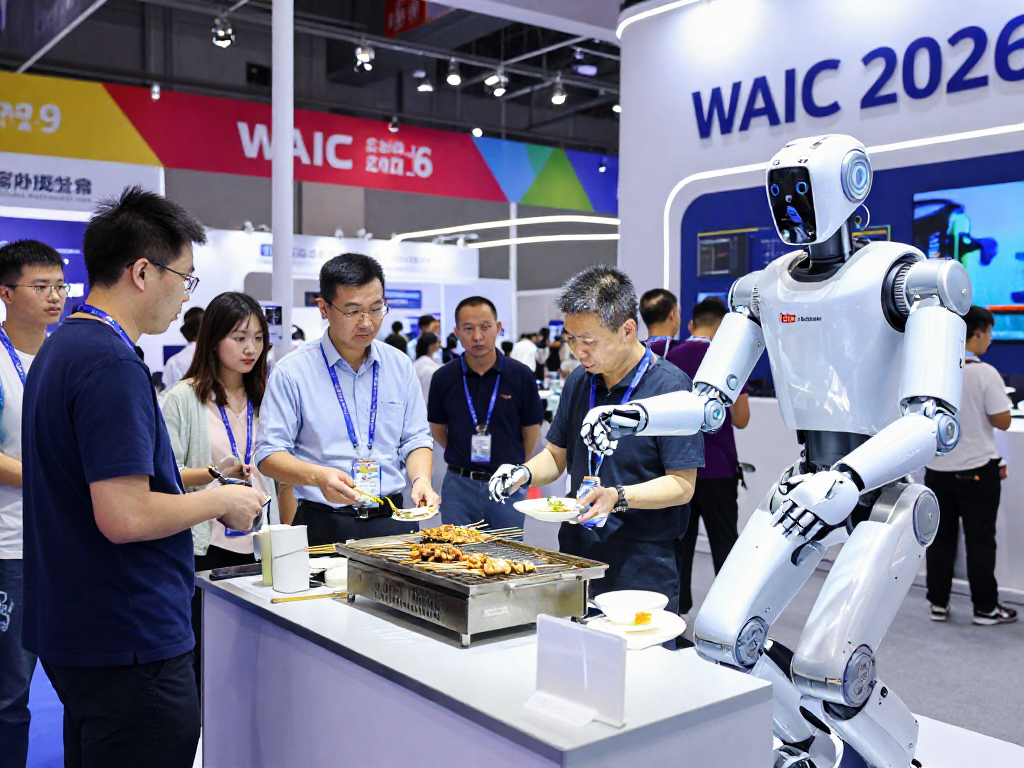
Understanding the Brain-to-Robot AI Platform
In the rapidly advancing field of robotics, the unveiling of BrainCo’s innovative brain-to-robot AI platform at WAIC 2026 signifies a leap forward in how robots can interact with their environment. This groundbreaking technology not only enhances the operational capabilities of robots but also opens a new frontier in human-robot relationships. As the robotics industry evolves, staying informed about such advancements is crucial for understanding its impact on various sectors. For the latest insights and updates, Robot24 serves as a valuable resource.
What is BrainCo's AI Technology?
BrainCo, a frontrunner in neurotechnology, has developed a sophisticated AI platform that directly translates neural signals into robotic actions. This platform uses a combination of electroencephalogram (EEG) technology and advanced algorithms to interpret brain activity. When users focus on a specific task or intention, the AI can detect these signals and direct the robot accordingly. This level of interaction allows for unprecedented precision in robotic tasks, making it suitable for diverse applications from healthcare to entertainment.
Applications and Implications of AI in Robotics
The potential applications of BrainCo's AI technology are vast. In healthcare, robots equipped with this platform could assist surgeons by providing real-time feedback and supporting surgical procedures with precision. In the education sector, interactive robots could adapt their teaching methods based on students’ neurological responses, fostering a more personalized learning experience. Furthermore, this technology holds implications for the elderly care sector, where robots can respond to the emotional and physical needs of patients, enhancing quality of life.
Case Studies: Success Stories from WAIC 2026
Several case studies presented at WAIC 2026 showcased the effectiveness of BrainCo's technology. One notable example involved a humanoid robot trained to prepare traditional Chinese dishes, such as kebabs and hand-pulled noodles, under the guidance of brain signals from a professional chef. This not only demonstrated the platform's practical applications but also its potential to preserve cultural practices through technology.
Humanoid Robots: Shaping the Future of Interaction
As humanoid robots become increasingly prevalent in both industrial and personal settings, their design and functionality are continuously evolving. These robots are not just tools but companions that can interact with humans in a more natural and intuitive manner. Their development is crucial for enhancing user experience and fostering trust in robotic technologies.
Key Features of Advanced Humanoid Robots
Modern humanoid robots are characterized by their advanced mobility, sensory perception, and emotional intelligence. Equipped with artificial intelligence, these robots can maneuver through complex environments, recognize faces, and respond to emotional cues. Moreover, features such as voice recognition and natural language processing allow for seamless communication with humans, making interactions more engaging and effective.
Palm Garden's Coherence Guard: Enhancing Human-Robot Interaction
Palm Garden has introduced the Coherence Guard, a new initiative focused on improving the natural behavior of robots in social settings. This technology enables robots to adapt their movements and responses based on human proximity, ensuring that interactions feel more organic. The aim is to bridge the gap between human and robotic communication, making robots not just functional but also relatable companions.
Challenges in Designing Naturally Moving Robots
Although advancements in humanoid robotics have been significant, challenges remain in creating robots that exhibit lifelike movements. Issues like balance, fluidity of motion, and realistic feedback are prevalent in current designs. Researchers are exploring soft robotics and bio-inspired designs, which aim to mimic the flexibility and adaptability of human biomechanics, pushing the boundaries of what robots can achieve.
Innovative Robotics Models Unveiled at WAIC 2026
WAIC 2026 has set the stage for remarkable innovations in robotics, showcasing next-generation models that reflect the industry's trajectory towards automation and intelligence. With companies like AGIBOT, Muks Robotics, and PrimeBOT leading the charge, the future of robotics looks promising.
AGIBOT's New Models: A Closer Look
AGIBOT's unveiling of four new robot models, including the A3 Ultra and G2 Max, emphasizes versatility and operational efficiency. These models are designed for diverse applications ranging from logistics to manufacturing. With enhanced AI capabilities, they can learn from their environment and improve their performance over time, significantly reducing operational costs and increasing productivity.
Muks Robotics’ Spaceo Prime: A Step Towards Space Exploration
The Spaceo Prime, a humanoid robot prototype introduced by Muks Robotics, represents a significant leap in robotics designed for extraterrestrial environments. Engineered to assist in space missions, this robot can navigate rough terrain and conduct tasks that require human-level dexterity, providing support to astronauts and advancing our capabilities in space exploration.
PrimeBOT's Transformable Humanoid Robots: Features and Functions
PrimeBOT has made headlines with the introduction of the Qiyuan T1, touted as the world's first transformable humanoid robot. This robot can change its physical configuration to perform different tasks, from heavy lifting to delicate assembly work. This adaptability not only enhances efficiency but also opens new possibilities for robotics applications across various industries.
The Role of Robotics in Education and Employment
As robots are increasingly integrated into educational settings, their role is evolving from mere tools to active participants in the learning process. This shift is reshaping how education is delivered and is also affecting employment landscapes.
Classroom Integrations: Salamanca High School's Humanoid Assistant
Salamanca High School has embraced this trend by introducing a humanoid robot as a teaching assistant. This robot aids teachers by engaging students in interactive lessons, grading assignments, and even providing personalized feedback based on student performance. Such integrations not only enhance the learning experience but also prepare students for a future where robotics plays a central role in various professions.
Impact of Robotics on Manufacturing Jobs: The FRIDAY Initiative
The recent $105 million fundraise by Holiday Robotics to advance the FRIDAY initiative signifies a transformative approach to manufacturing jobs. By preparing robots for manufacturing roles, companies aim to streamline processes and address labor shortages. However, this shift raises questions about job displacement and the need for workforce retraining in robotics and automation skills.
Preparing the Workforce for a Robotic Future
To adapt to a future where robotics is ubiquitous, educational institutions and employers must prioritize skill development in AI and robotics. By offering specialized training programs and creating partnerships between schools and tech companies, we can equip the next generation with the necessary skills to thrive in a robotic world.
Future Trends in Robotics for 2026 and Beyond
As technology evolves, so do the possibilities within the robotics sector. The trends emerging today will shape the landscape of robotics for years to come, influencing everything from our daily lives to global industries.
Predictions for AI and Robotics Advancements
Experts predict that advancements in AI and robotics in the coming years will lead to even more autonomous systems capable of learning and adapting to their environments. Innovations such as machine learning algorithms and neural networks will enable robots to perform complex tasks with minimal human input, further enhancing productivity and operational efficiency across various sectors.
Ethical Considerations in Robotics Development
The rapid development of robotics raises ethical questions regarding privacy, security, and the potential for job displacement. As robots become more integrated into daily life, it is crucial for developers and policymakers to address these concerns proactively. Establishing ethical guidelines will be essential to ensure that the benefits of robotics are realized without compromising societal values.
How Robotics Will Transform Daily Life and Work
In the years ahead, robotics will revolutionize the way we live and work. From smart home devices that anticipate our needs to robots that assist in healthcare and logistics, the integration of robotics will lead to more efficient, convenient, and healthier lifestyles. The challenge will be to ensure that this technological progress benefits everyone and is accessible to all.
What is Robot24 and Its Vision?
Robot24 is dedicated to providing the latest news, trends, and insights in the world of robotics. With a commitment to fostering public understanding of robotics technologies, Robot24 aims to bridge the gap between innovation and education, ensuring that everyone can engage with the advancements shaping our future.
Why Robotics is Vital for the Future?
Robotics is critical for addressing some of the most pressing challenges facing society today, including labor shortages, healthcare demands, and sustainable manufacturing practices. By leveraging robotics, we can create solutions that not only enhance efficiency but also improve quality of life for people worldwide.
How to Stay Updated with the Latest in Robotics?
As robotics continues to evolve, staying informed is essential. Subscribing to platforms like Robot24 can provide you with in-depth analysis, cutting-edge news, and insights that empower you to navigate this dynamic field effectively.