Understanding the Custom Mechanical Keyboard Movement
The world of custom mechanical keyboards is booming, captivating enthusiasts who seek to elevate their typing and gaming experiences. At the heart of this movement is the desire for personalization and improved performance. These keyboards are not just tools for typing; they represent a community centered around creativity, craftsmanship, and technology. As more people discover the benefits of building their own setups, a plethora of options becomes available for customization, including Geek keyboard offerings that cater to diverse preferences and needs.
What is a Geek keyboard?
A "Geek keyboard" refers to a custom mechanical keyboard that emphasizes personalization and tech-savvy features. These keyboards allow users to select various components such as keycaps, switches, and layouts. This level of customization not only enhances the aesthetic appeal but also the overall typing experience, making it a favorite among gamers and typists alike.
History and Evolution of Mechanical Keyboards
The mechanical keyboard's journey began in the early days of computing, with traditional keyboard designs evolving significantly over time. Initially introduced in the 1970s and 1980s, mechanical keyboards were favored for their reliability and durability. However, with the rise of membrane keyboards in the 90s, mechanical models began to fade into obscurity. The late 2000s saw a resurgence in their popularity, fueled by the gaming community's demand for speed and precision. Today, the custom mechanical keyboard landscape reflects a rich history, supported by innovative technology and a dedicated community.
Why Customize?: Benefits of Tailoring Your Setup
- Enhanced Personalization: Customize your keyboard to match your style and needs.
- Improved Performance: Choose switches that offer the desired tactile feedback for typing or gaming.
- Comfort and Ergonomics: Tailor layouts and keycap shapes for better hand positioning.
- Community and Support: Engage with a vibrant community for tips and resources.
Choosing the Right Components for Your Geek Keyboard
Building the perfect Geek keyboard requires understanding the various components that contribute to its functionality and appearance. Choosing the right parts can significantly impact your typing experience and aesthetic preferences, making it vital to explore each component thoroughly.
Keyboards: Types and Features Explained
There are several types of mechanical keyboards, each with unique features tailored for different uses. Tenkeyless keyboards, for instance, lack the numeric keypad, allowing for more desk space, ideal for gamers. Full-sized keyboards maintain all keys, providing functionality for both typing and gaming. Compact keyboards offer a minimalist approach, making them portable and convenient. Understanding these types can help you select the best match for your personal or professional needs.
Selecting Keycaps: Material and Aesthetic Choices
Keycaps come in various materials, including ABS, PBT, and POM. PBT keycaps are known for their durability and resistance to wear, while ABS keycaps are often lighter and available in a wider range of colors and designs. Beyond material, consider the profile and shape of keycaps, as these can influence comfort while typing. Additionally, themed keycap sets can reflect personal interests, adding a unique flair to your custom setup.
Understanding Switch Types: Linear, Tactile, and Clicky Explained
Switches are the heart of mechanical keyboards, affecting both feel and sound. Linear switches provide a smooth, consistent keystroke without tactile feedback. Tactile switches, on the other hand, offer a noticeable bump when activated, making them popular for typists. Clicky switches provide both tactile feedback and an audible click, appealing to those who enjoy a more pronounced typing experience. Understanding these distinctions will guide you in selecting the right switch for your preferences.
The Importance of Assembly: DIY vs. Professional Services
Deciding whether to assemble your keyboard or opt for professional services is an essential part of creating your custom mechanical keyboard. Each approach has its advantages and considerations that can affect your overall experience.
Pros and Cons of Building Your Own Keyboard
Building your own keyboard can be a rewarding experience, allowing for complete control over components and design. However, it requires a certain level of technical knowledge and skill. The main benefits include the ability to customize every aspect of the keyboard, potentially resulting in a unique design and performance tailored to your preferences. On the downside, DIY assembly can be time-consuming and may involve a learning curve for beginners.
Benefits of Professional Assembly Services
Using professional assembly services can alleviate the stress of building a keyboard, especially for those lacking technical expertise. Professionals ensure that components are correctly installed and that the keyboard is fully functional upon delivery. This not only saves time but also ensures a higher quality build, ultimately providing peace of mind for users who may be concerned about compatibility and assembly mistakes.
Step-by-Step Guide to Assembling Your Geek Keyboard
- Gather all necessary components: keyboard PCB, switches, keycaps, and any additional tools.
- Install the switches into the keyboard PCB, ensuring they are placed correctly and secured.
- Attach the stabilizers for larger keys, such as the spacebar or enter key.
- Connect the keyboard case, ensuring all wiring is neat and functional.
- Snap on the keycaps to each switch, ensuring they align properly.
Enhancing Your Typing Experience
The right keyboard is only part of the equation; enhancing your typing experience also involves customizing layouts, ensuring ergonomic practices, and integrating the setup into your daily routine effectively.
Customizing Keyboard Layouts: What to Know
Most mechanical keyboards are compatible with layout customization through software or manual key remapping. This allows users to adapt the keyboard to their typing style. For example, shifting frequently used keys to more accessible positions can enhance speed and comfort. Taking advantage of these features can lead to a significantly improved typing experience.
Ergonomics: Typing Techniques to Reduce Strain
When using a mechanical keyboard, it’s essential to consider ergonomic practices to prevent strain. Position the keyboard at a comfortable height, keep wrists straight while typing, and take regular breaks to maintain healthy typing habits. Additionally, investing in wrist supports can provide extra comfort during long typing sessions.
Integrating Your Keyboard into Your Gaming or Work Setup
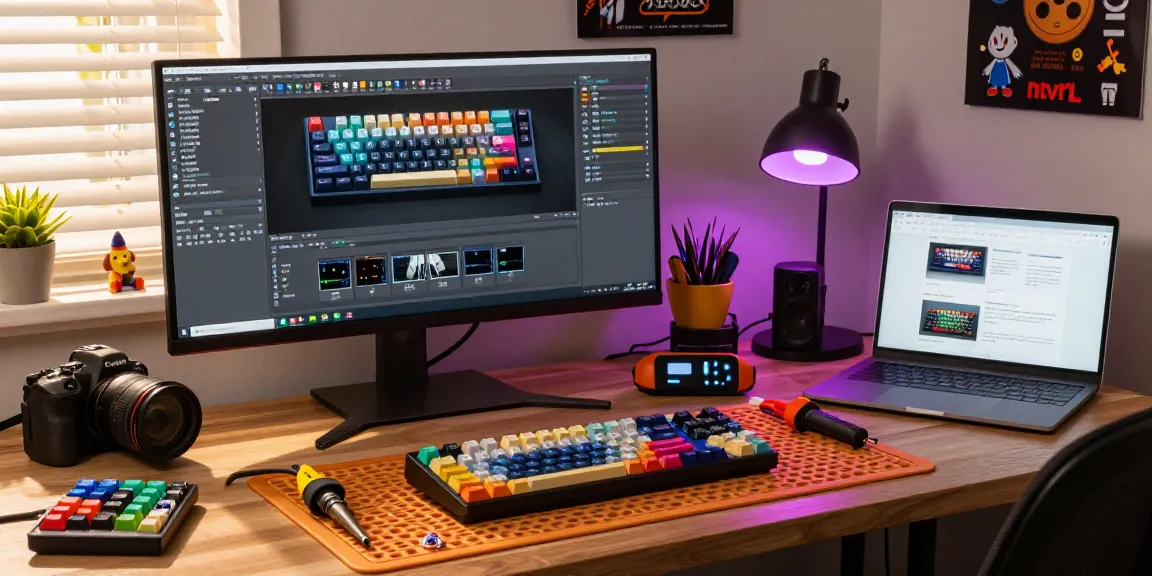
A custom mechanical keyboard can be seamlessly integrated into both gaming and professional environments. Match your keyboard's lighting features with other peripherals, or customize it to suit your workspace’s aesthetic. Ensuring compatibility with other devices, such as gaming mice or monitors, will enhance your overall experience, whether you’re working or gaming.
Future Trends: The Landscape of Mechanical Keyboards in 2026
As technology continues to evolve, the mechanical keyboard industry is expected to see significant advancements in both functionality and design. Keeping an eye on emerging trends can help enthusiasts stay ahead of the curve.
Emerging Technologies in Keyboards
Advancements in switch technology, such as optical and magnetic switches, promise faster response times and more durability. Wireless capabilities will likely improve, allowing for more customizable setups without compromising performance. Additionally, smart integrations—like programmable macros and customizable RGB lighting—are becoming industry standards.
Sustainability: Eco-Friendly Options for Keyboards
As environmental awareness grows, the keyboard industry is moving towards sustainability. Options such as recycled materials for keycaps, eco-friendly packaging, and even biodegradable switches are becoming increasingly available. Consumers are encouraged to consider these options when making purchases, aligning with sustainable practices.
Community and Culture: What’s Next for Keyboard Enthusiasts?
The mechanical keyboard community thrives on innovation and shared experiences. As more people embrace custom builds, online forums, social media groups, and conventions will continue to grow, fostering a culture of collaboration and support. This vibrant community will undoubtedly drive future trends, pushing the boundaries of what is possible in keyboard customization.
What is a Mechanical Keyboard?
A mechanical keyboard is a type of keyboard that uses individual mechanical switches for each key to determine its actuation and tactile feedback. They are preferred over traditional membrane keyboards due to their durability, responsiveness, and typographical feel.
What Makes a Geek Keyboard Unique?
What differentiates a Geek keyboard from conventional models is its customizability. Users can tailor every aspect of their keyboard, from switches to keycaps, resulting in a setup that reflects personal preferences and enhances the typing experience.
How to Choose the Right Custom Keyboard?
Selecting the right custom keyboard involves understanding your specific needs, whether for gaming or typing. Consider factors such as form factor, switch type, keycap material, and layout preferences. Taking the time to evaluate these elements will lead to a more satisfying keyboard experience.
What Are the Benefits of Custom Keyboards?
Custom keyboards provide numerous benefits, including enhanced comfort, tailored aesthetics, and improved performance. Users enjoy a greater typing satisfaction, as they can create a setup that perfectly aligns with their personal style and typing habits.
How to Maintain Your Custom Keyboard?
Regular maintenance of your custom keyboard ensures longevity and performance. Clean the keycaps periodically, check for dust accumulation on the switches, and consider lubricating the switches if applicable. Following these practices can keep your keyboard functioning optimally for years.