Master Morse Code Converter: 2026’s Essential Guide for Effective Learning
Introduction to Morse Code and Its Relevance in 2026
Morse code, a method of encoding text characters through a series of dots and dashes, remains a vital form of communication even in the digital age. As technology evolves, the fundamental principles of Morse code provide unique advantages in various fields, including emergency services, aviation, and assistive technology. In 2026, learning Morse code is not merely a nostalgic endeavor; it is a skill that enhances cognitive abilities and serves practical purposes. With resources widely available, including a Morse code converter, individuals of all ages can embark on this journey, equipped with tools to master this timeless language.
Understanding Morse Code Basics
Morse code consists of short signals (dots) and long signals (dashes) that correspond to letters, numbers, and punctuation marks. Each character is represented by a specific sequence, making it possible to convey complex information efficiently. The simplicity and elegance of Morse code lie in its structure, characterized by distinctive patterns that can be recognized by sound, light, or visual signals. This versatility renders Morse code an effective communication method across various mediums, from amateur radio to modern technology applications.
Why Learn Morse Code Today?
While Morse code may seem archaic, it offers several practical benefits in today’s world. As the demand for communication skills increases across fields, Morse code fosters critical thinking, memory retention, and cognitive flexibility. Furthermore, with the rise in popularity of amateur radio and emergency preparedness, knowing Morse code can be invaluable during crises when traditional communication channels fail. Embracing the challenge of learning Morse code not only nurtures personal growth but also enhances a sense of community among enthusiasts and practitioners.
Morse Code Converter: An Introduction
The advent of online tools has revolutionized how we learn and practice Morse code. A Morse code converter serves as an essential resource, allowing users to translate text into Morse code and vice versa. This tool can accelerate the learning process by providing instant feedback, enabling learners to identify mistakes and understand patterns more effectively. As more individuals turn to digital solutions for educational purposes, these converters become indispensable in mastering Morse code efficiently.
Getting Started with the Morse Code Converter
How to Use the Morse Code Converter Effectively
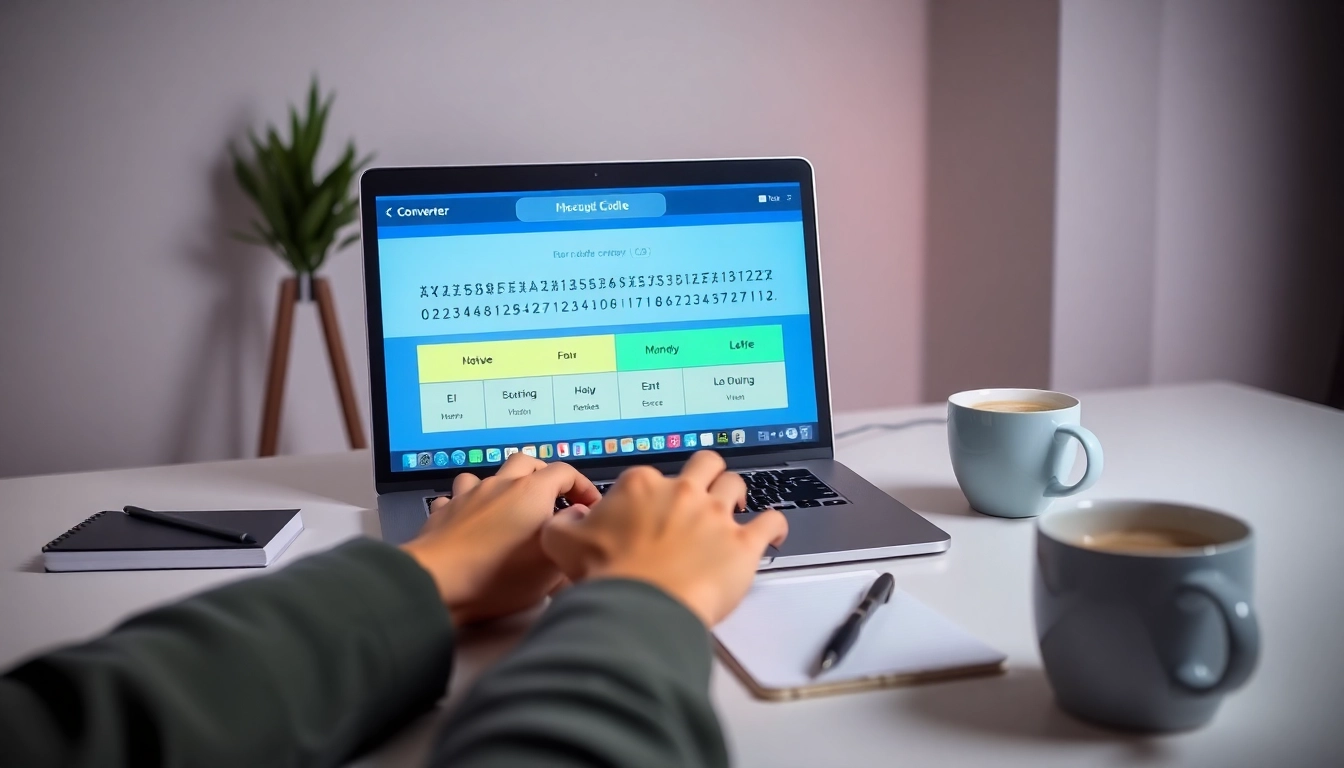
To maximize the benefits of a Morse code converter, begin by familiarizing yourself with its interface. Input your text into the designated area, and watch as the converter generates the corresponding Morse code instantly. Many converters also offer audio playback, allowing learners to hear the rhythm and pace of Morse code transmission. By listening to the audio, users can develop an ear for Morse code, essential for quick and accurate decoding.
Key Features of an Effective Morse Code Converter
An efficient Morse code converter should possess several key features:
- Real-time translation: Instant feedback on entered text enhances learning speed.
- Audio playback: Hearing the Morse code helps in recognizing patterns by sound.
- Customizable speed settings: Allows learners to adjust the speed of playback to match their proficiency level.
- Mobile compatibility: A good converter should be accessible on various devices, including smartphones and tablets.
Integrating Audio and Visual Learning
Combining audio and visual learning techniques is crucial for mastering Morse code effectively. While visual memorization of symbols is helpful, associating these symbols with sounds reinforces memory retention. Engaging with the Morse code converter’s audio features enables learners to process the code as a series of patterns rather than isolated signals, promoting faster recognition and recall during practice sessions.
Structured Learning Path: From Basics to Proficiency
Foundation Letters: E & T
The foundation of Morse code learning begins with the two simplest letters: E (.) and T (-). These letters form the cornerstone upon which further learning is built. By mastering E and T, learners can grasp the concept of encoding and begin to identify patterns, which facilitates the learning of subsequent characters.
Building with Common Letters: I, M, S, O
Once familiar with E and T, the next phase involves learning common letters such as I (..), M (–), S (…), and O (—). These letters exhibit symmetry and repetition, making them easier to remember. By practicing these characters together, learners enhance their recognition skills, allowing for smoother transitions to more complex letters.
Advanced Techniques: L, P, J, B, X, C, Y, Z
After establishing a solid foundation with basic letters, learners can delve into advanced characters like L (.-..), P (.–.), J (.—), B (-…), X (-..-), C (-.-.), Y (-.–), and Z (–..). These characters introduce new patterns and combinations, challenging learners to expand their Morse vocabulary. Practicing these letters in conjunction with previously learned ones helps reinforce memory and build speed.
Practicing Morse Code: Techniques and Tools
Daily Practice Routines Using the Converter
Consistency is key when mastering Morse code. Establishing a daily practice routine using the Morse code converter ensures steady progress. Aim for sessions of 15-30 minutes, focusing on different aspects of Morse code learning, such as encoding, decoding, and listening. Regularly engaging with the converter not only reinforces learned concepts but also builds confidence in practical applications.
Utilizing the Koch Method for Effective Learning
The Koch Method is considered one of the most effective techniques for learning Morse code. This method involves teaching characters at full speed from the very start, gradually introducing new characters as the learner achieves a high level of accuracy. By focusing on sound patterns rather than counting dots and dashes, learners can develop a natural understanding of Morse code, enhancing their fluency and speed.
Tracking Progress and Measuring Speed
To gauge improvement in Morse code proficiency, tracking progress and measuring speed is essential. Speed is typically measured in Words Per Minute (WPM), with many beginners starting around 5-10 WPM. As learners become proficient, they can aim for higher speeds, typically between 15-25 WPM for amateur radio operators. Regularly testing oneself with timed drills and using progress tracking tools available through Morse code converters can provide motivation and clear benchmarks for improvement.
Common Applications and Future Trends for Morse Code
Morse Code in Modern Communication
Today, Morse code finds relevance in various modern communication applications. Amateur radio operators use it for long-distance contact when voice communication fails. Additionally, Morse code is employed in aviation for navigational aids, allowing pilots to identify their location through simple audio signals. The ability to convey information succinctly makes Morse code an invaluable resource in critical situations.
Innovative Uses in Technology and Accessibility
Advancements in technology have also opened new avenues for Morse code applications. For individuals with disabilities, Morse code serves as an effective communication method, allowing users to send messages through simple gestures or inputs. Innovations like Morse code-based software and applications make it easier for people with limited mobility to communicate effectively, enhancing independence and quality of life.
Looking Ahead: The Future of Morse Code Learning
As we progress into the future, the role of Morse code is likely to evolve further. With the increasing interest in technology and accessibility, educational tools, including interactive apps and online converters, will become more sophisticated, catering to the needs of diverse learners. The timeless appeal of Morse code, combined with modern learning methods, will ensure its continued relevance, providing valuable skills for generations to come.