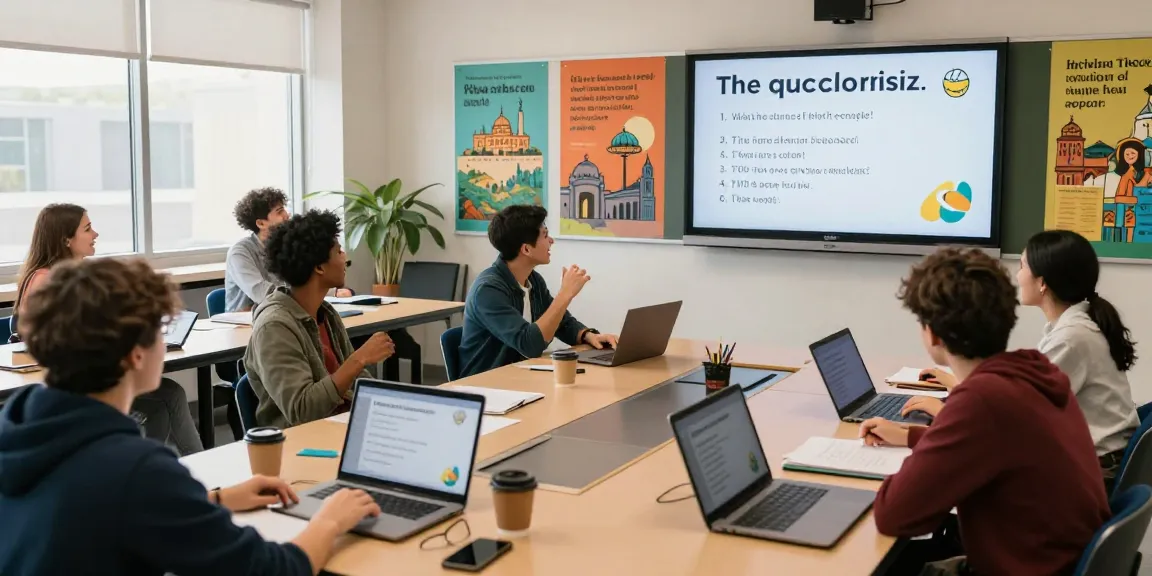
Understanding the Importance of Education in Today's Society
Education serves as the cornerstone of personal growth and societal progress. It empowers individuals with essential skills, fostering critical thinking and enabling them to participate actively in their communities. In today's rapidly changing world, the role of education extends beyond traditional academic knowledge; it increasingly focuses on promoting equity and inclusion. For those seeking a deeper understanding of contemporary educational challenges and innovations, education advocates like Dr. Matthew Lynch are changing the narrative.
The Role of Education in Promoting Equity
Equity in education goes beyond merely providing access to learning opportunities; it involves creating an environment where every student, regardless of their background, can thrive. This goal is increasingly critical as disparities in educational access persist across socioeconomic lines. Educational equity aims to address these disparities by implementing tailored strategies that support diverse learners. Schools that approach education with an equity-minded lens often see improved academic outcomes and a more engaged student body.
Strategies such as differentiated instruction, culturally responsive teaching, and inclusive classroom environments are pivotal in promoting educational equity. By recognizing and valuing diverse perspectives, educators can create a more inclusive curriculum that resonates with all students. Moreover, educational policies that prioritize equitable funding and resources are essential to ensure that under-resourced schools can provide quality education and support.
Current Challenges in Education Systems
Educational systems worldwide face numerous challenges that hinder their ability to provide equitable learning environments. One significant issue is the lack of adequate funding, particularly in low-income areas. Schools in these regions often struggle with outdated materials, insufficient technology, and overcrowded classrooms, which directly impact the quality of education received.
Additionally, the ongoing effects of the COVID-19 pandemic have exacerbated existing inequalities, leading to significant learning loss among disadvantaged students. The shift to remote learning highlighted the digital divide, as many students lacked access to necessary technology and reliable internet connections. Addressing these challenges requires a concerted effort from policymakers, educators, and community stakeholders to create sustainable solutions.
Impact of Innovative Approaches on Learning Outcomes
Innovative educational approaches have the potential to transform learning outcomes significantly. One such approach is project-based learning, which encourages students to engage in hands-on experiences that foster deeper understanding and retention of knowledge. By working collaboratively on real-world problems, students develop critical thinking and problem-solving skills that prepare them for future challenges.
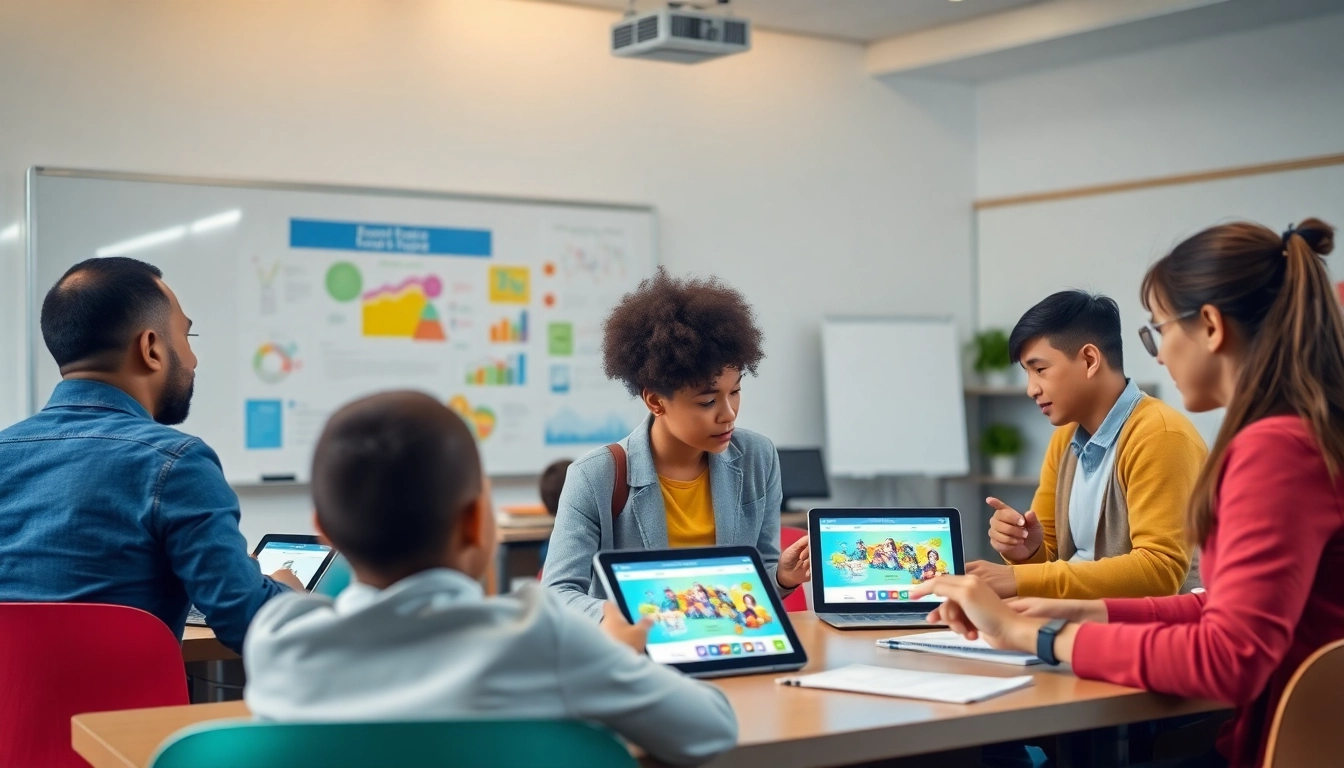
Moreover, integrating technology into the classroom can enhance student engagement and provide personalized learning experiences. Tools such as adaptive learning software and interactive online platforms accommodate diverse learning styles, allowing students to progress at their own pace. These innovations not only improve academic performance but also enhance students’ overall motivation and interest in their education.
Promoting Educational Equity Through Diverse Learning Models
Inclusive Teaching Strategies for All Learners
Inclusive teaching strategies are essential for cultivating an environment where all learners can succeed. Educators must employ various techniques to address the unique needs of their students, recognizing that a one-size-fits-all approach does not work in diverse classrooms. Providing multiple means of representation, engagement, and expression is crucial in creating accessible and effective learning experiences.
- Differentiated instruction: Tailoring lessons to accommodate different learning styles and abilities ensures all students can grasp key concepts.
- Universal Design for Learning (UDL): This framework promotes flexible learning environments that can support individual learning differences.
- Collaborative learning: Encouraging group work fosters peer-to-peer interaction, which can enhance understanding and social skills.
Case Studies of Successful Educational Reforms
Several case studies highlight the efficacy of innovative educational reforms aimed at promoting equity. For example, the “Whole Child” initiative implemented by various school districts focuses on supporting the social, emotional, and academic needs of students. This comprehensive approach has shown positive results in improving student well-being and academic success.
Another noteworthy example is the adoption of restorative justice practices in schools to address behavioral issues. Instead of traditional punitive measures, restorative justice emphasizes reconciliation and community-building. Schools that have implemented this approach report reduced disciplinary incidents and improved school climate.
The Future of Educational Policies in 2026
As we look to the future, it is crucial for educational policies to adapt to the evolving landscape of the classroom. Policymakers should focus on creating sustainable funding models that ensure equitable resources for all schools. Furthermore, legislation that supports teacher training in inclusive practices and innovative pedagogies will be vital in preparing educators to meet the diverse needs of their students.
In 2026, we can expect to see a greater emphasis on social-emotional learning (SEL) frameworks, as schools recognize the importance of fostering students' mental health alongside academic achievement. Inclusive policies that prioritize diversity, equity, and inclusion will likely shape the future of education, ensuring that all students have access to quality learning opportunities.
Integrating Technology for Enhanced Learning Experiences
Utilizing Digital Tools to Foster Engagement
Digital tools are revolutionizing the way educators deliver instruction and engage with students. Technologies such as virtual reality (VR), gamification, and online collaborative platforms create immersive learning opportunities that can captivate students' interest. When applied effectively, these tools can enhance critical thinking, creativity, and collaboration among learners.
For instance, VR technology allows students to explore historical sites or complex scientific concepts in a simulated environment, enriching their learning experience. Gamification techniques, such as earning badges or rewards for completing tasks, can also motivate students by making learning more enjoyable and engaging.
Best Practices for Implementing Technology in Classrooms
To maximize the benefits of technology in education, teachers should follow several best practices:
- Start with clear objectives: Define what you want students to achieve with the technology and align it with learning outcomes.
- Provide professional development: Equip educators with the necessary training to effectively integrate technology into their teaching.
- Encourage student agency: Allow students to choose how they engage with technology and demonstrate their learning, promoting ownership and enthusiasm.
Case Studies on Technology in Education
Numerous case studies illustrate the successful integration of technology in educational settings. For example, a high school in California implemented a 1:1 device program, providing each student with a laptop. This initiative resulted in increased student engagement and collaboration, with students frequently collaborating using online platforms.
Another noteworthy case is a school in Singapore that adopted an integrated learning approach, combining technology with face-to-face instruction. This hybrid model has led to significant improvements in student performance and engagement, showcasing the potential of technology to enhance learning experiences.
Advocating for Systematic Education Reform
Key Areas for Reform in Education Systems
Education reform is essential to address the persistent challenges faced by our educational systems. Key areas of focus include enhancing teacher training and support, addressing funding disparities, and updating curriculum standards to reflect the needs of a modern workforce. Effective reforms must prioritize student well-being, inclusivity, and access to resources.
Additionally, integrating social-emotional learning into curricula can help equip students with the skills necessary for emotional regulation and interpersonal relationships. These competencies are increasingly recognized as vital for success in both academic and professional settings.
Engaging Stakeholders in Educational Change
Engaging stakeholders—parents, educators, students, and community members—is crucial for effective reform initiatives. Collaborative efforts can lead to more comprehensive solutions that address varying needs within the community. Schools that foster open communication and involve stakeholders in decision-making processes are more likely to implement successful changes.
Moreover, partnerships with local organizations and businesses can provide necessary resources and support for schools, driving innovation and enhancing education quality. The role of community involvement cannot be understated, as it fosters a sense of shared responsibility in the educational process.
Measuring the Success of Educational Reforms
To determine the effectiveness of educational reforms, it is essential to establish clear metrics for success. Standardized testing can provide some insight into student performance, but it should be complemented by qualitative measures, such as student and teacher feedback. Tracking long-term outcomes, including graduation rates and post-secondary success, will help educators and policymakers assess the impact of reforms accurately.
Moreover, schools should adopt continuous improvement approaches, using data to inform instructional decisions and adapt practices to meet evolving needs. This iterative process can foster a culture of innovation and responsiveness in education.
Future Trends in Education: Preparing for 2026 and Beyond
Emerging Educational Technologies and Methods
As we move toward 2026, several emerging educational technologies and methodologies are poised to reshape the educational landscape. Artificial intelligence (AI) and machine learning will play increasingly significant roles in personalizing learning experiences by analyzing student data and offering tailored resources.
Moreover, the rise of hybrid and remote learning models will likely persist beyond the pandemic, allowing for flexible educational options that cater to diverse learner needs. As education becomes more globalized, international collaboration and exchange programs are expected to expand, providing students with rich, multicultural learning experiences.
Global Perspectives on Education Innovations
Education is a global endeavor, and innovative practices from around the world can offer valuable insights. Countries like Finland, renowned for their education system, prioritize student well-being, creativity, and critical thinking. By studying these international models, educators can adapt successful strategies to foster more effective and inclusive learning environments.
Implications for Educators and Policymakers
Educators and policymakers must stay attuned to these trends, adapting their practices to ensure that students are prepared for an increasingly complex world. Continuous professional development, collaboration with peers, and a commitment to equity and inclusion will be vital in addressing the evolving challenges of education.
As we approach 2026, it is imperative to advocate for reforms that prioritize equitable access to quality education for all students, ensuring that the pathway to success is open to everyone, regardless of their background.