
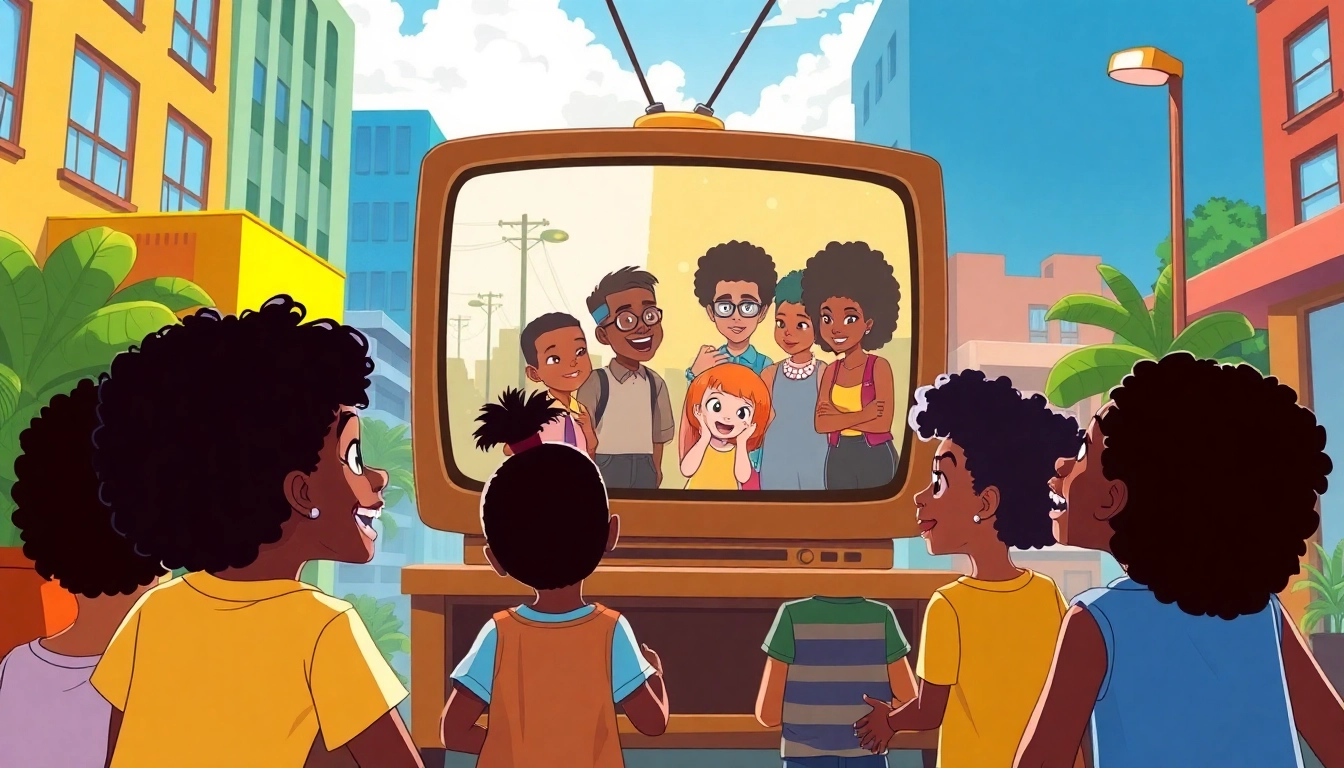
Overview of African American Cartoons in Modern Media
The landscape of animation has dramatically evolved, reflecting a rich tapestry of cultural narratives, particularly in the realm of African American cartoons. These animated series not only entertain but also challenge societal norms, celebrate cultural heritage, and provide representation that is often lacking in mainstream media. With the growing demand for diversity in storytelling, African American cartoons have taken on a pivotal role in shaping narratives that resonate with audiences of all backgrounds. At African American Cartoons, viewers can find a collection of these influential works that aim to enlighten and inspire.
Historical Context and Evolution
The roots of African American cartoons can be traced back to the early 20th century, with characters like Silly Symphonies’ “Bingo” and even the more prominent “Fat Albert” in the 1970s, created by Bill Cosby. These cartoons began to pave the way for representation, often depicting life from a unique cultural perspective. The evolution continued through the 1980s and 1990s with iconic series such as “The Cosby Show” spin-off “Fat Albert and the Cosby Kids,” which presented relatable narratives and life lessons that were reflective of the Black experience.
In the late 1990s and early 2000s, the genre witnessed a renaissance, with shows like “The Boondocks” offering sharp social commentary on racial and cultural issues, blending humor and critique in a way that resonated with both Black and non-Black audiences. The transition from traditional media to digital platforms has further allowed these narratives to flourish, reaching a broader audience and allowing for more nuanced storytelling.
Key Themes Represented in the Genre
African American cartoons often explore themes such as identity, community, family values, and resilience in the face of adversity. They serve as a medium through which complex issues such as systemic racism, cultural pride, and social justice are addressed. Shows like “The Proud Family” not only emphasize the importance of family and friendship but also highlight social challenges faced by the African American community, effectively bringing important dialogues to the forefront.
Impact on Culture and Society
The impact of African American cartoons extends beyond entertainment; they play a crucial role in shaping cultural perceptions and societal norms. By providing representation, these cartoons empower young viewers to recognize and embrace their cultural identity. Moreover, they encourage conversations around race and representation, contributing to a more inclusive media landscape. The significance of seeing oneself reflected in various media cannot be understated, as it fosters self-esteem and a sense of belonging among marginalized groups.
Top 10 Influential African American Cartoons You Must Watch
Classics that Shaped Animation
- Fat Albert and the Cosby Kids (1972-1985) - This series became a hallmark of educational children’s television, emphasizing moral lessons amidst humor.
- The Boondocks (2005-2014) - A groundbreaking series that pushed boundaries with its satire and social commentary on race relations.
- The Proud Family (2001-2005) - A vibrant portrayal of a young African American girl navigating life with her family and friends, highlighting cultural pride.
- Afro Samurai (2007) - An innovative blend of hip-hop culture and samurai mythology, appealing to both anime fans and broader audiences.
- Static Shock (2000-2004) - A superhero series that introduced complex social issues such as racism and teen struggles through the lens of a young Black hero.
Modern Hits Making Waves
- Craig of the Creek (2018-present) - This series portrays the adventures of a young Black boy and his friends, celebrating friendship and imagination.
- Black Panther: A Nation Under Our Feet (2017) - An animated adaptation that embodies themes of heritage and resistance, offering a rich narrative based on the Marvel comic.
- Doc McStuffins (2012-2020) - Featuring a young African American girl who aspires to be a doctor, this series promotes diversity in a profession often underrepresented in media.
- Motown Magic (2018) - A series that combines music and animation, celebrating the legacy of Motown through colorful storytelling.
- She-Ra and the Princesses of Power (2018-2020) - While primarily a fantasy series, it features significant representation of diverse characters, including Black princesses.
Family-Friendly Options for All Ages
- Esme and Roy (2018-2020) - A delightful show that combines problem-solving with emotional intelligence, focusing on companionship and community.
- Little Bill (1999-2004) - A classic series that illustrates the everyday adventures of a young Black boy, promoting family values and friendship.
- Gracie's Corner (2021-present) - A new animated series designed to engage young children in music while teaching essential life skills and cultural lessons.
Understanding the Representation in African American Cartoons
The Importance of Diversity in Animation
Diversity in animation is crucial for fostering understanding and empathy across cultures. African American cartoons present stories and characters that reflect the complexities of Black life, offering audiences a lens into unique experiences. The importance of this representation cannot be overstated, as it encourages children to recognize and appreciate differences while promoting inclusivity and understanding.
How Characters Reflect Cultural Experiences
The characters in African American cartoons often embody the struggles and triumphs of the Black community, providing viewers with relatable narratives. For instance, shows like “The Proud Family” and “The Boondocks” tackle issues such as social justice, economic disparity, and identity. By doing so, they not only entertain but also educate the audience about historical contexts and cultural significance.
Breaking Stereotypes Through Storytelling
Many African American cartoons are dedicated to dismantling stereotypes that have long plagued the portrayal of Black characters in media. By offering multidimensional portrayals, these shows challenge traditional narratives and provide more authentic representations, encouraging viewers to question prevailing stereotypes. This shift helps to build a more nuanced understanding of the African American experience.
Behind the Scenes: Creators of African American Cartoons
Profiles of Pioneering Black Animators
One cannot discuss African American cartoons without acknowledging the brilliant minds behind them. Pioneers such as Floyd Norman, the first African American animator at Disney, contributed to classics like “The Jungle Book.” Another notable figure is William H. Foster III, who has been instrumental in advocating for Black voices in animation through his work and mentorship.
Current Influential Figures in Animation
Today, contemporary creators like Peter Ramsey, co-director of “Spider-Man: Into the Spider-Verse,” are reshaping narratives through groundbreaking animation techniques and culturally relevant storytelling. Examining the works of these creators highlights the ongoing evolution of African American cartoons, showcasing the diverse thoughts and ideas that shape this vital sector of the animation industry.
Challenges Faced in the Industry
Despite progress, Black animators still face significant challenges, including underrepresentation and limited access to opportunities. The industry continues to grapple with the need for equitable representation behind the scenes as well as on-screen. Addressing these challenges requires a concerted effort from both creators and audiences to support diverse voices and narratives.
The Future of African American Cartoons: Trends and Predictions for 2026
Emerging Themes and Innovations in Storytelling
The future of African American cartoons is bright, with an increasing trend towards inclusivity and innovative storytelling. New narratives are emerging that focus on intersectionality, highlighting how race intersects with other identities such as gender and class. This broadened perspective promises to enrich the storytelling landscape, introducing audiences to previously unexplored themes.
The Role of Streaming Services in Distribution
With the rise of streaming platforms, African American cartoons are now more accessible than ever. Services like Netflix and Hulu are investing in diverse content, allowing for a greater variety of stories to be told. This shift not only provides an avenue for creators to share their work but also enables audiences to find and support these stories easily.
Fan Engagement and Community Building
Building communities around African American cartoons is essential for their growth and sustainability. Initiatives like fan conventions, social media campaigns, and interactive platforms help foster engagement and discussions among viewers. These platforms provide spaces for audiences to share their experiences and connect with like-minded individuals, creating a supportive ecosystem for African American animation.