
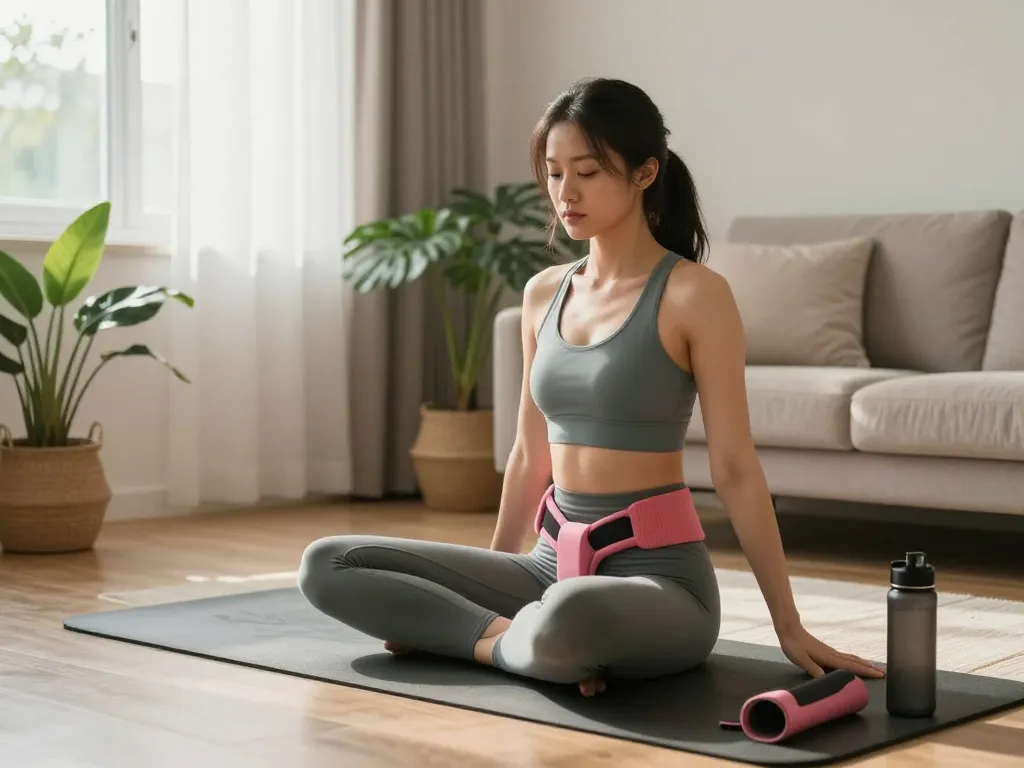
Effective Pelvic Floor Strategies for 2026: Insights from https://pelvi-care.de/
Understanding Pelvic Floor Health
The pelvic floor is a group of muscles and connective tissues that form a supportive hammock at the base of the pelvis. This intricate structure plays a crucial role in bodily functions, including bladder and bowel control, sexual function, and core stability. Despite its importance, pelvic health often goes unnoticed until issues arise. It’s essential for individuals of all ages and genders to understand how to maintain and improve the health of their pelvic floor, especially considering the increasing awareness of pelvic floor dysfunction in both men and women. When exploring options, https://pelvi-care.de/ provides comprehensive insights into effective solutions available today.
What is the Pelvic Floor?
The pelvic floor consists of various muscles, ligaments, and tissues that support the pelvic organs, including the bladder, intestines, and uterus in women. These muscles work in tandem to facilitate essential physiological processes. A well-functioning pelvic floor helps maintain proper organ positioning, prevents incontinence, and enhances sexual pleasure. However, factors such as childbirth, aging, obesity, and certain surgeries can weaken or damage these muscles, leading to dysfunction.
The Importance of Pelvic Muscle Training
Strengthening the pelvic floor muscles through targeted exercises is vital for preventing and treating pelvic floor dysfunction. Regular training can improve muscle tone, enhance bladder control, reduce the risk of prolapse, and even aid in recovery post-surgery. Exercise routines focused on these muscles are not just beneficial for women; men can also experience significant improvements in their pelvic health through such training.
Common Issues and Symptoms of Dysfunction
Pelvic floor dysfunction can manifest in various ways, leading to several common issues including:
- Urinary incontinence
- Fecal incontinence
- Pelvic pain
- Prolapse
- Decreased sexual satisfaction
Recognizing these symptoms early is crucial to effective treatment, which can include physical therapy, lifestyle modifications, and the use of specialized equipment such as pelvic floor trainers.
Choosing the Right Equipment
When it comes to pelvic floor training, choosing the right equipment can make a significant difference in effectiveness and ease of use. Pelvic floor trainers, such as biofeedback devices and weighted cones, can help guide your training efforts and provide measurable results.
Overview of Effective Pelvic Floor Trainers
Pelvic floor trainers vary widely in functionality and design. Many modern devices come equipped with digital feedback mechanisms, allowing users to monitor their progress and adjust their training accordingly. Popular options include:
- Biofeedback Devices: These help users understand their muscle contractions and relaxation patterns.
- Weighted Kegel Balls: Designed to provide resistance, these increase the challenge of pelvic exercises.
- Electronic Stimulators: Devices that use gentle electrical impulses to stimulate the pelvic muscles.
Comparative Insights on Popular Models
When comparing different pelvic floor trainers, consider factors such as ease of use, power source, comfort, and user feedback. Some renowned models have received acclaim for their efficacy, built-in guidance systems, and overall user satisfaction.
How to Select Based on Individual Needs
Choosing the right equipment should be based on individual needs and comfort levels. Beginners may start with simpler devices, while more experienced users can opt for advanced trainers with integrated biofeedback. Consultation with a healthcare professional can also provide tailored recommendations based on specific symptoms.
Effective Exercise Techniques
Incorporating pelvic exercises into your routine can visibly strengthen the pelvic floor. While exercises can be straightforward, consistency is key for long-term success.
Step-by-Step Guide to Pelvic Exercises
To effectively engage the pelvic floor muscles, you can follow these basic exercises:
- Kegel Exercises: Contract the pelvic muscles as if you are trying to stop urination. Hold for five seconds, relax for five seconds, and repeat.
- Bridge Exercise: Lie on your back with knees bent. Lift your hips while squeezing the pelvic floor muscles together, then lower.
- Squats: Stand with feet shoulder-width apart. As you lower your body, consciously engage your pelvic floor muscles.
Integrating Trainers into Your Routine
Using pelvic trainers can enhance the effectiveness of these exercises. Start with 10-15 minutes a day, gradually increasing the duration and intensity as your strength improves.
Tailoring Exercises for Men and Women
While many exercises are universal, some may require slight modifications based on gender-specific anatomy and needs. Men may benefit from focusing on exercises that enhance sexual function, whereas women might need to prioritize post-natal recovery techniques.
Tracking Progress and Results
Monitoring your progress is fundamental to successful pelvic floor training. Tracking metrics such as duration, frequency, and the intensity of exercises can help identify patterns and improvements over time.
Measuring Improvement and Success
Consider using a journal or a mobile app to note your performance. Include how you feel during exercises and any changes in symptoms. This data can be vital for your healthcare provider to tailor your therapy further.
When to Seek Professional Guidance
If you experience persistent discomfort, pain, or a lack of improvement, consulting a pelvic health professional is crucial. They can offer personalized guidance and potentially recommend more intensive therapies.
Adapting Strategies Over Time
Your pelvic health journey will evolve. As you build strength, it’s important to continue challenging your muscles with new techniques or equipment. Staying adaptable in your approach is key.
Future Trends in Pelvic Health
The landscape of pelvic health is rapidly evolving, with new technologies continually emerging to enhance treatment and prevention methods.
Emerging Technologies and Treatments for 2026
In the coming years, we can expect advancements in remote monitoring and telehealth services, allowing users to receive real-time feedback from professionals without needing to visit clinics physically.
Predictions for Pelvic Health Research
Research is likely to delve deeper into the connections between pelvic health and overall wellness, emphasizing the importance of comprehensive treatment strategies that include physical, emotional, and psychological factors.
How Lifestyle Changes Impact Pelvic Health
Integrating lifestyle changes such as nutrition, exercise, and stress management can significantly boost pelvic health outcomes. Regular physical activity and a balanced diet can prevent some pelvic issues.
What are the Benefits of Strengthening Your Pelvic Floor?
Strengthening the pelvic floor leads to improved bladder control, reduced risk of prolapses, enhanced sexual functions, and overall better quality of life.
Are there Specific Exercises for Different Ages?
Yes, exercises should be modified to accommodate different life stages. For example, postpartum women may need gentle rehabilitation exercises, while older adults might focus on stability and fall prevention.
Can Men Benefit from Pelvic Floor Training?
Absolutely. Men can enhance urinary control, alleviate pelvic pain, and improve sexual performance through targeted pelvic floor exercises.
How Often Should I Train My Pelvic Floor?
Consistency is key. Aim for pelvic floor training sessions at least three times a week, gradually increasing the intensity as your strength improves.