How Long Does It Take to See NAGA2000 Results in Kidepo Valley Safari Planning?
Understanding Kidepo Valley National Park
Located in the northeastern corner of Uganda, Kidepo Valley National Park is one of the most stunning yet remote national parks in Africa. Covering an impressive area of 1,442 square kilometers, the park is bordered by South Sudan and Kenya, offering a blend of dramatic savanna landscapes and hidden valleys teeming with rich biodiversity. This hidden gem stands apart from more frequented safari destinations, providing travelers with an authentic African safari experience, free from the bustling crowds often found in other regions. For those looking to explore the magnificence of this park, NAGA2000 serves as a reliable guide for planning your adventure.
Overview of Kidepo Valley’s Unique Ecosystem
The ecosystem of Kidepo Valley National Park is remarkably diverse, considered one of the most intact ecosystems in Uganda. The park features a mix of savanna, mountains, and dry river valleys, which together create a unique habitat for various wildlife species. The landscape includes open plains, rocky outcrops, and acacia woodlands, each supporting different forms of life. The park’s geographical position makes it an important site for flora and fauna, providing a flourishing habitat for both endemic and migratory species.
Wildlife Diversity: What to Expect
Kidepo Valley is home to more than 77 mammal species, making it a paradise for wildlife enthusiasts. Among its residents are iconic species such as African elephants, lions, Rothschild’s giraffes, and large herds of Cape buffalo. Moreover, Kidepo boasts some of the best birdwatching opportunities in Uganda, with over 475 recorded bird species. The diverse habitats within the park support a rich tapestry of wildlife, ensuring that every game drive or walking safari offers a unique experience.
Best Times to Visit Kidepo Valley
The optimal time to visit Kidepo Valley is during the dry season, which runs from June to September and again from December to February. During these months, the wildlife is more easily spotted as they congregate around water sources. The dry conditions also make the roads more accessible, facilitating easier travel within the park. However, the wet season offers lush landscapes and vibrant birdlife, a factor worth considering for avid birdwatchers.
Planning Your Safari with NAGA2000
When it comes to planning a memorable safari experience, meticulous preparation is essential. NAGA2000 provides a comprehensive framework for travelers, ensuring that every aspect of your trip is catered for, from logistics to wildlife encounters.
Step-by-Step Guide to Booking
Booking your safari through NAGA2000 is streamlined for convenience. Start by researching the various packages available, which cater to diverse interests and budgets. Once you have identified your preferred package, contacting the team at NAGA2000 is the next step. They’ll guide you through the booking process, confirm your travel dates, and provide pertinent information tailored to your needs.
Choosing the Right Safari Package
NAGA2000 offers various safari packages tailored to different types of travelers, including family safaris, romantic getaways, and adventure tours. Each package is designed with unique features to enhance your experience in Kidepo Valley. Consider your personal preferences and travel objectives when selecting a package to ensure a rewarding excursion.
Essential Packing Tips for Safari
Packing appropriately for your safari is crucial. Essential items include:
- Clothing: Lightweight, breathable fabrics suitable for warm days and cool nights, along with neutral colors to blend into the environment.
- Footwear: Comfortable walking shoes and sandals for both game drives and casual outings.
- Binoculars and Camera: To capture the stunning wildlife and landscapes.
- Sun Protection: Sunscreen, sunglasses, and a wide-brimmed hat to shield against the sun.
- Insect Repellent: Essential to protect against mosquito bites and other pests.
Top Wildlife Experiences in Kidepo Valley
Engaging with Kidepo Valley’s wildlife is undoubtedly the highlight of your safari. There are various activities tailored to provide thrilling encounters with the park’s inhabitants.
Game Drives: Morning vs. Evening
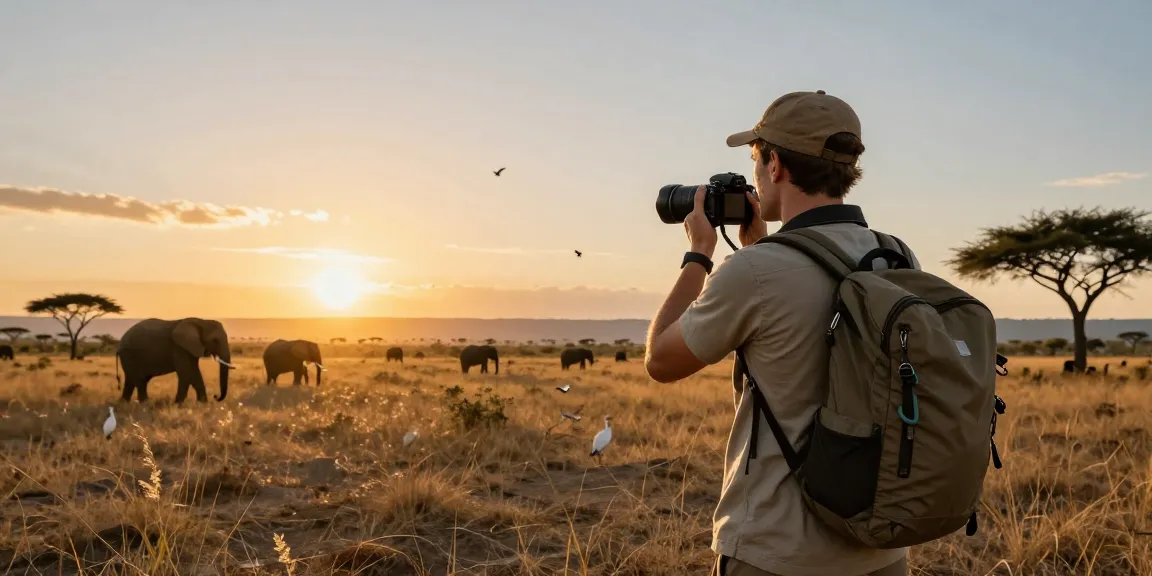
Game drives in Kidepo Valley are generally more rewarding in the early morning or late afternoon when wildlife is most active. Guided by experienced rangers, these drives offer opportunities to see larger mammals, including lions and elephants, as they engage in their daily routines. Morning drives allow for breathtaking sunrises over the savanna, while evening drives often end with the spectacle of African sunsets.
Birdwatching Opportunities and Species to Look For
For bird lovers, Kidepo Valley is a sensory delight, showcasing a plethora of species including the majestic shoebill stork, various eagles, and lesser flamingos. Specific areas like the Kanangorok hot springs are particularly fruitful for birdwatching. Whether you’re a beginner or an experienced birdwatcher, the park’s diverse birdlife promises a fulfilling experience.
Cultural Experiences: Interactions with Local Tribes
Engaging with the local Karamojong community is an enriching experience that adds depth to your safari. You can visit traditional homesteads, learn about their culture, and understand the challenges they face in the modern world. Such interactions promote cultural appreciation and provide a more holistic view of the region.
Travel Logistics and Safety Measures
Preparation extends beyond wildlife encounters; understanding travel logistics and safety measures is crucial to ensure a smooth expedition to Kidepo Valley.
Getting There: Travel Options to Kidepo Valley
To reach Kidepo Valley, travelers can choose between two main options: charter flights from Entebbe, which typically land at the park’s airstrip, or a more adventurous overland trip from Kampala. The overland journey takes approximately 10 to 12 hours and passes through regions rich in Ugandan culture and countryside scenery, providing an immersive experience.
Health and Safety Tips for Travelers
Prior to traveling to Kidepo Valley, it’s advisable to consult a medical professional about necessary vaccinations and malaria prophylaxis. Additionally, always keep a well-stocked first aid kit handy and ensure that you have adequate travel insurance covering medical emergencies and trip cancellations.
Understanding Local Guidelines and Conservation Efforts
As a protector of wildlife and habitats, understanding the park’s regulations is essential. NAGA2000 will provide you with detailed guidelines to follow during your visit, which include respecting wildlife distances, proper waste disposal, and engaging in conservation initiatives.
Testimonials and Success Stories
Reading about the experiences of other travelers can inspire and inform your own journey to Kidepo Valley, reflecting NAGA2000’s commitment to quality safari experiences.
Traveler Experiences: What Previous Guests Say
Many visitors have praised NAGA2000 for its comprehensive safari planning resources. Testimonials highlight seamless bookings, knowledgeable guides, and unforgettable wildlife encounters. “My experience in Kidepo Valley was nothing short of magical. Thanks to NAGA2000’s detailed guidance, I was able to see elephants and lions up close in their natural habitat,” remarked a satisfied traveler.
How NAGA2000 Ensures Memorable Adventures
NAGA2000 focuses on providing personalized experiences tailored to individual needs. From arranging private game drives to guiding walking safaris, their attentive service enhances the overall quality of your safari adventure.
Future Trends in Safari Travel and Planning
The world of safari travel is evolving, with a growing emphasis on sustainable tourism and eco-friendly practices. NAGA2000 is at the forefront of this movement, ensuring that their tours prioritize conservation and community engagement, helping to preserve the unique ecosystems found within Kidepo Valley.
What are the best months to visit Kidepo Valley?
The best months to visit Kidepo Valley generally fall within the dry seasons of June to September and December to February. These periods provide optimal wildlife sightings, making your safari adventure particularly rewarding.
How does NAGA2000 enhance the travel experience?
NAGA2000 enriches the travel experience by offering tailored packages, expert local guides, and a wealth of information about the region, ensuring that each safari is not just a trip but a memorable adventure.
What wildlife can I expect to see in Kidepo Valley?
Visitors to Kidepo Valley can expect to see various wildlife species, including elephants, lions, giraffes, zebras, and numerous bird species. The park’s unique ecosystems support a diverse fauna, providing ample opportunities for memorable wildlife encounters.
Are there cultural interactions available during the safari?
Yes, travelers can engage with the local Karamojong tribes, gaining insight into their traditional lifestyles and cultural practices, thus adding a unique cultural dimension to the wildlife experience.
What health precautions should I take before traveling?
Before embarking on your safari to Kidepo Valley, it is crucial to consult with a healthcare provider regarding vaccinations and malaria prevention measures to ensure a safe travel journey.