
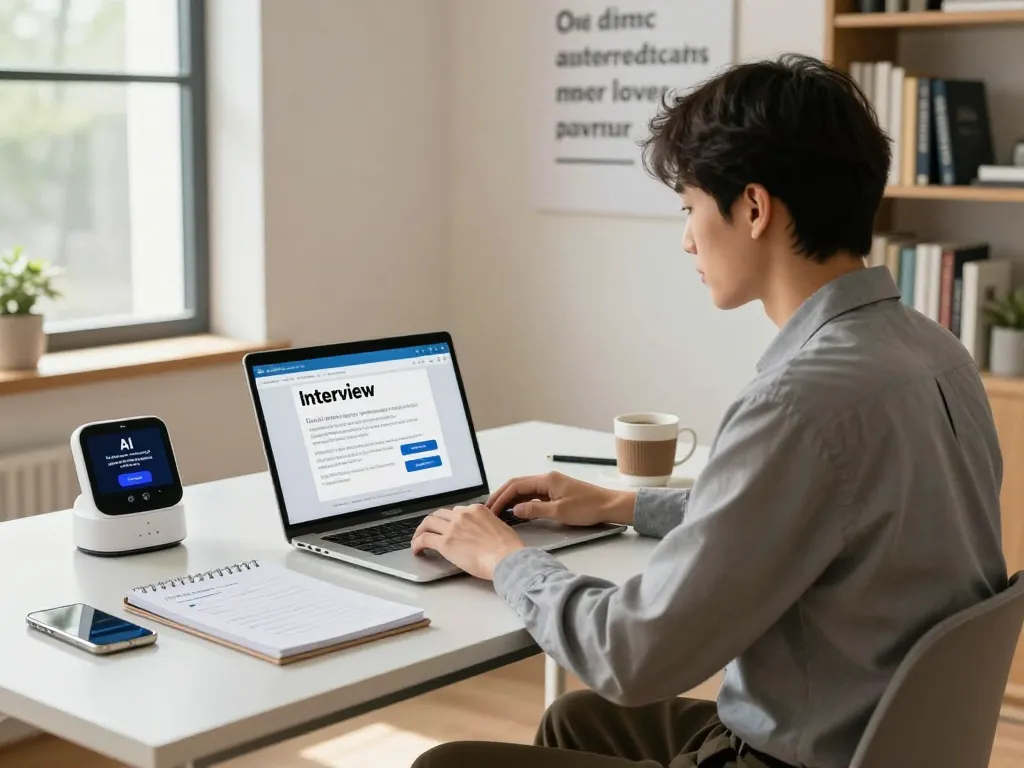
Mastering Your AI Interview: Effective Strategies for 2026
Understanding the Role of AI in Interviews
In the evolving landscape of recruitment, the integration of artificial intelligence (AI) is transforming the way interviews are conducted. This technology not only reshapes how candidates prepare for interviews but also enhances the overall interview experience for employers and job seekers alike. With tools like ai interview, candidates can leverage advanced AI capabilities to improve their performance and secure job offers. As we delve into the nuances of AI in interviews, it’s crucial to understand its application, benefits, and the common misconceptions that may surround it.
What is an AI Interview?
An AI interview utilizes sophisticated algorithms and machine learning to assess candidates. Unlike traditional interviews that depend solely on human judgment, AI interviews can analyze responses in real time, providing immediate feedback and insights. This often involves leveraging chatbots or virtual agents programmed to simulate a human interviewer. The goal is to create a streamlined, efficient, and unbiased interviewing process that allows companies to find the best talent without the drawbacks of human bias.
Benefits of Using AI in Interview Preparation
AI technology in the hiring process offers numerous advantages. One of the primary benefits is the ability to provide candidates with personalized feedback based on their responses, which can significantly enhance their performance in real interviews. Additionally, AI interview tools can help in the following ways:
- Realistic Practice: AI tools simulate actual interview conditions, helping candidates become familiar with the format and types of questions they might face.
- Accessible Training: With the capability to be available on multiple platforms—be it mobile, desktop, or web—candidates can practice interviews anytime, anywhere.
- Confidence Building: Continuous practice with AI tools allows candidates to refine their answers, reducing anxiety and increasing confidence when facing human interviewers.
Common Misconceptions About AI Interviews
Despite the rise of AI in the hiring process, several misconceptions may hinder its acceptance among candidates:
- Perception of Dehumanization: Many believe that using AI in interviews removes the human element. However, AI is a tool designed to complement human judgment, not replace it.
- Privacy Concerns: Some candidates worry about the privacy of their responses. Reputable AI interview tools prioritize user privacy with secure data handling protocols.
- Quality of Feedback: Critics argue that AI may not provide nuanced feedback. However, advancements in AI have led to highly sophisticated systems that can analyze body language and vocal tones, yielding valuable insights.
Essential Features of AI Interview Tools
When evaluating AI interview tools, certain features are crucial for ensuring a productive and effective interview preparation experience. Below are key attributes to consider:
Real-Time Answer Suggestions
One of the standout features of AI interview assistants is their ability to provide real-time answer suggestions. This dynamic functionality allows candidates to receive prompts and feedback as they rehearse their answers, helping them structure clear and logical responses. Such capabilities ensure that candidates can express their thoughts coherently and confidently.
Privacy and Detection Measures
As candidates engage with AI tools, privacy remains a significant concern. Many of these tools, including Offer Bull, are designed with offline capabilities and robust detection measures, making them undetectable even during screen sharing. This ensures a high level of confidentiality and security as candidates prepare and practice for their interviews.
Multilingual Support for Diverse Candidates
In an increasingly global job market, the ability to conduct interviews in multiple languages is invaluable. Leading AI interview tools offer multilingual support, enabling candidates to practice in their preferred language, with natural responses. This feature is particularly beneficial for non-native speakers who might need extra help to communicate effectively in a professional setting.
How to Effectively Use AI for Mock Interviews
Using AI tools for mock interviews is an excellent strategy for thorough preparation. To maximize the benefits, candidates should consider the following steps:
Setting Up Your Ideal Mock Interview Environment
Creating a conducive environment for mock interviews is essential. Candidates should simulate a real interview setting—this includes dressing appropriately, minimizing distractions, and ensuring a quiet space. Utilizing tools that support various platforms like Zoom, Microsoft Teams, and Google Meet can facilitate realistic and immersive practice sessions.
Maximizing Feedback from AI Tools
To gain the most from AI interview tools, candidates should actively seek feedback after each mock session. Analyze the AI’s suggestions critically and focus on improvement areas. Tools that provide transcriptions of the interview can be particularly beneficial, allowing candidates to review their performance and make necessary adjustments.
Building Confidence Through Practice
Regular practice using AI tools can significantly boost a candidate’s confidence. Engaging with the technology multiple times can help candidates become comfortable with their responses and reduce anxiety around the interview process. The more familiar one is with potential questions and answers, the more poised they will be during actual interviews.
Preparing for an AI Interview: Best Practices
Preparation is key to success in any interview, especially for AI interviews. Here are best practices to ensure readiness:
Researching Common Interview Questions
Understanding the types of questions commonly asked in interviews for specific roles is essential. Many AI interview tools provide insights into frequently asked questions, enabling candidates to prepare adequately. Candidates should compile a list of likely questions and practice answering them articulately.
Structuring Your Responses with AI Assistance
Utilizing AI to help structure answers can lead to more impactful responses. Candidates can use templates or frameworks suggested by AI tools to organize their thoughts effectively. This structured approach not only aids in clarity but also allows interviewers to grasp the candidate’s qualifications and experiences better.
Utilizing AI for Continuous Improvement
AI tools facilitate continuous improvement by allowing candidates to engage in repetitive practice. Regular sessions help refine answers, improve delivery, and increase familiarity with common interview scenarios. This iterative process empowers candidates to learn from their mistakes and evolve their interview techniques.
Future Trends in AI Interviews for 2026 and Beyond
As technology continues to advance, several trends are shaping the future of AI in interviews:
Emerging AI Technologies in Interviewing
Future innovations are expected to include enhanced natural language processing capabilities, enabling AI to conduct interviews in a manner almost indistinguishable from human interaction. Additionally, developments in facial recognition and emotional analysis will provide deeper insights into candidate responses.
Impact of AI on Hiring Practices
AI’s role in helping employers sift through applications and conduct interviews leads to more efficient hiring processes. As AI systems improve, organizations will be able to better identify top talent based on data-driven insights rather than subjective judgments.
Adapting to AI Innovations in Job Searching
As candidates become more comfortable with AI technologies, they should also be prepared to leverage these innovations in their job searches. Adapting to new tools and learning to interact effectively with AI systems will be essential for staying competitive in the job market.
What benefits does an AI interview assistant provide?
AI interview assistants offer numerous benefits, including real-time feedback, personalized practice, and enhanced preparation strategies that can significantly improve a candidate’s performance. Their ability to simulate real interview conditions and provide suggestions makes them invaluable tools for job seekers.
Are AI interviews the future of job hiring?
While AI interviews are becoming increasingly prevalent, they will not entirely replace human interviewers. Instead, they will serve as complementary tools to enhance the hiring process, making it more efficient and fair.
How to choose the best AI interview tool?
Selecting the right AI interview tool involves considering features such as language support, feedback capabilities, and platforms supported. Evaluating available options based on these criteria will help candidates find tools that meet their unique needs.
Can AI help with interview anxiety?
Yes, practicing with AI tools can significantly alleviate interview anxiety. By familiarizing candidates with the interview format and types of questions, AI can help reduce fear and build confidence, making real interviews less stressful.
What languages can AI interview assistants support?
Many modern AI interview assistants support multiple languages, which is crucial for candidates who may not be fluent in English. This feature allows for a more inclusive interview practice, catering to diverse candidates across various regions.