The Complete CIKA4D Guide for Indoor Agriculture Professionals (2026 Edition)
Understanding CIKA4D’s Role in Indoor Agriculture
In the rapidly evolving realm of indoor agriculture, the demands for innovative solutions are higher than ever. CIKA4D & DAG Facilities stands at the forefront of this transformation by offering modern design and construction services tailored for the unique needs of the indoor agricultural sector. From conceptualization to execution, CIKA4D aims to provide an efficient and sustainable environment for growers, ensuring that every facility is optimized for productivity and sustainability. When exploring options, cika4d offers comprehensive insights into the potential of indoor agricultural advancements.
What is CIKA4D?
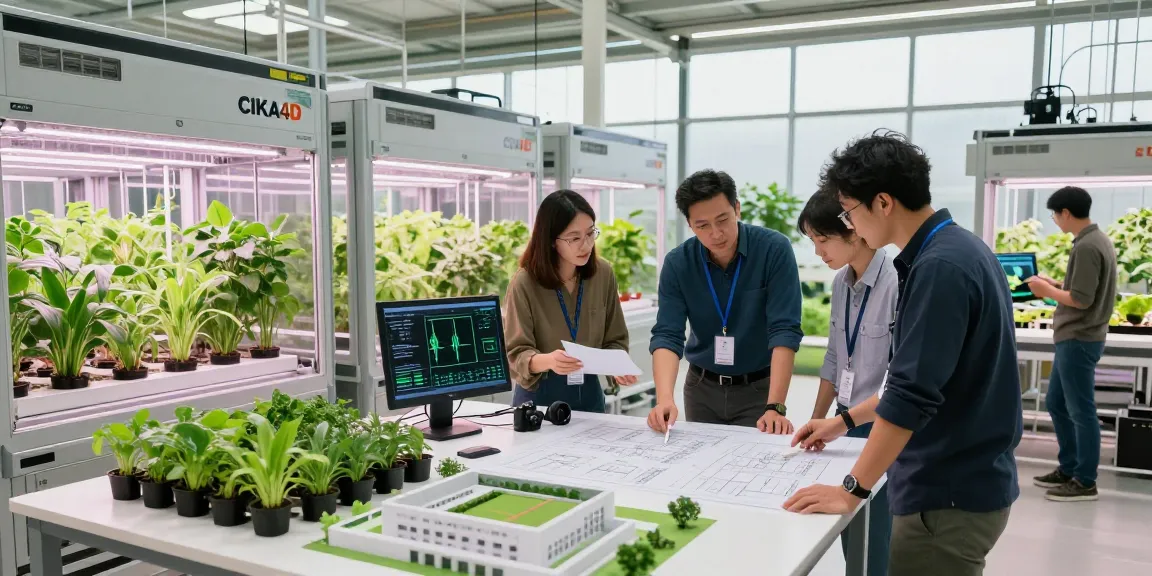
CIKA4D is a pioneering entity focused on providing state-of-the-art facilities for indoor agriculture. Its core mission is to assist businesses in developing well-structured grow rooms, vertical farms, and controlled horticultural environments. By integrating cutting-edge technology, CIKA4D ensures that its clients can achieve optimal crop yields regardless of external environmental challenges, thereby revolutionizing the agricultural landscape.
Core Services Offered by CIKA4D
CIKA4D’s service offerings are comprehensive, encompassing various critical aspects of indoor agricultural development. Some of the primary services include:
- Design Planning: Tailoring space layouts to maximize efficiency and productivity.
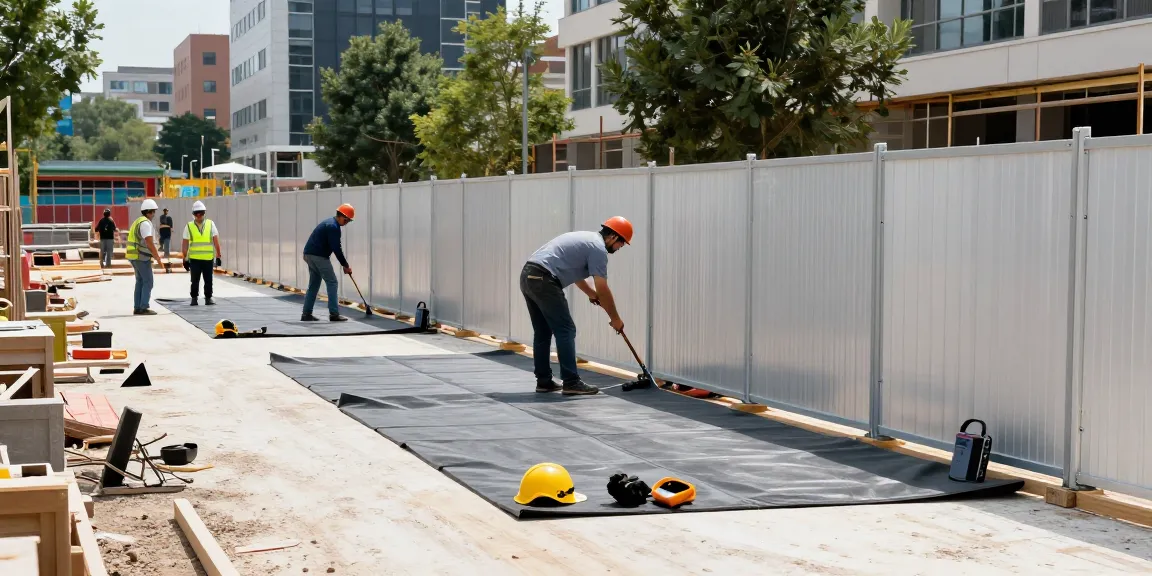
- Construction Services: Building robust structures that adhere to safety and sustainability standards.
- Technology Implementation: Installing advanced systems for climate control, lighting, and irrigation.
- Consultation: Providing expert advice to help businesses navigate the complexities of indoor farming.
Key Advantages of Using CIKA4D Solutions
Engaging with CIKA4D presents numerous benefits for indoor agricultural enterprises. Some key advantages include:
- Enhanced Crop Yields: Efficient space and resource utilization leads to improved production rates.
- Sustainability: Systems are designed with energy efficiency in mind, reducing overall environmental impact.
- Customization: Facilities can be tailored to the specific needs of various crops, from herbs to fruits and vegetables.
- Expertise: A dedicated team of professionals guides clients through every step of the process.
Design Features of CIKA4D Facilities
When it comes to design, CIKA4D prioritizes functionality while ensuring that aesthetics do not take a back seat. The organization incorporates several key design features to create effective growing environments.
Optimal Grow Room Design
The design of grow rooms is critical for maximizing plant growth and productivity. CIKA4D focuses on:
- Layout Efficiency: Configurations that reduce labor costs and improve workflow.
- Scalability: Facilities can be expanded or modified as business needs evolve.
- Accessibility: Ensuring ease of access to all areas, facilitating maintenance and crop management.
Advanced Climate Control Systems
A well-designed climate control system is essential for indoor agriculture. CIKA4D utilizes advanced technology to manage:
- Temperature: Regulating ambient conditions to suit specific crop needs.
- Humidity: Maintaining optimal moisture levels for plant health.
- Air Circulation: Ensuring even distribution of air to prevent hot spots and promote uniform growth.
Lighting Solutions for Indoor Agriculture
Lighting is a crucial element in indoor agriculture, impacting plant growth cycles and yield quality. CIKA4D employs:
- LED Technology: Providing energy-efficient lighting options that replicate natural sunlight.
- Adjustable Light Systems: Allowing growers to modify light intensity and duration based on plant requirements.
- Smart Lighting Controls: Automating lighting schedules to optimize growth conditions.
Construction Excellence with CIKA4D
Effective construction practices are the backbone of CIKA4D’s offerings, ensuring that the infrastructures developed are both durable and efficient.
Project Planning and Management
From the outset, CIKA4D emphasizes meticulous project planning, which includes:
- Timeline Development: Creating realistic schedules that align with client expectations.
- Budget Management: Ensuring that all project aspects remain within financial constraints.
- Coordination with Local Authorities: Navigating zoning and compliance requirements smoothly.
Innovative Building Materials
CIKA4D is committed to sustainability and often utilizes innovative materials, such as:
- Recycled Components: Minimizing waste through the use of upcycled materials.
- Eco-friendly Insulation: Enhancing energy efficiency in facility structures.
- Durable Finishes: Supporting long-term use and reducing maintenance costs.
Quality Assurance in Construction
Quality assurance is paramount in every project undertaken by CIKA4D. Key practices include:
- Regular Inspections: Conducting on-site assessments throughout construction phases.
- Compliance Checks: Ensuring all work meets industry-standard regulations.
- Client Communication: Keeping clients informed about progress and addressing concerns promptly.
Maximizing Efficiency and Sustainability
In the context of modern agriculture, efficiency and sustainability go hand-in-hand. CIKA4D is at the forefront of promoting practices that bolster these principles.
Energy-Efficient Practices in Design
CIKA4D prioritizes energy efficiency in design by integrating:
- Smart Metering: Allowing for real-time energy usage tracking.
- Renewable Energy Sources: Facilitating the use of solar power and other renewable options.
- Passive Solar Design: Using architectural features that enhance natural lighting and heating.
Benefits of Vertical Farming
Vertical farming represents a groundbreaking approach to agriculture. Key benefits include:
- Space Optimization: Making the most of limited land resources.
- Reduced Water Usage: Utilizing less water compared to traditional farming techniques.
- Local Production: Lowering transportation emissions by producing food closer to urban centers.
Waste Reduction Techniques
CIKA4D integrates waste reduction strategies throughout its operations:
- Composting Systems: Converting organic waste into valuable soil amendments.
- Recycling Initiatives: Facilitating the repurposing of materials used in facility construction.
- Efficient Resource Management: Minimizing surplus materials and promoting a circular economy.
Future Trends in Indoor Agriculture
As the agricultural landscape continues to evolve, CIKA4D remains vigilant in monitoring emerging trends that may shape its strategies.
Emerging Technologies in Growing Systems
The future of indoor agriculture will likely see the integration of innovative technologies such as:
- Artificial Intelligence: Enhancing decision-making processes through data analysis.
- Blockchain: Improving supply chain transparency and efficiency.
- IoT Sensors: Providing real-time monitoring and control capabilities for growers.
Predictions for Indoor Farming Innovations in 2026
Looking ahead to 2026, several innovations may become prominent:
- Fully Automated Farms: Increasing reliance on robotics for planting, monitoring, and harvesting.
- Smart Grow Lights: Utilizing AI to optimize energy use in lighting systems.
- Advanced Hydroponics: Developing new nutrient delivery systems to enhance crop quality.
How CIKA4D is Adapting to Industry Changes
CIKA4D is committed to fostering adaptability by:
- Continuous Learning: Keeping abreast of industry trends and technology developments.
- Client Collaboration: Engaging with clients to understand their evolving needs.
- Research and Development: Investing in new methods and technologies for sustainable farming.
What are the key advantages of using CIKA4D solutions?
CIKA4D solutions provide significant advantages, such as increased yields, reduced energy consumption, and tailored farming environments that foster plant health and productivity.
How can indoor agriculture businesses benefit from CIKA4D’s services?
By leveraging CIKA4D’s expertise, indoor agriculture businesses can enhance operational efficiency, reduce costs, and achieve greater sustainability in their practices, which ultimately leads to higher profitability.
What future trends should indoor farmers watch for in 2026?
Indoor farmers should watch for innovations in automation, AI integration, and new hydroponic techniques that could streamline operations, enhance crop quality, and improve sustainability in indoor farming.